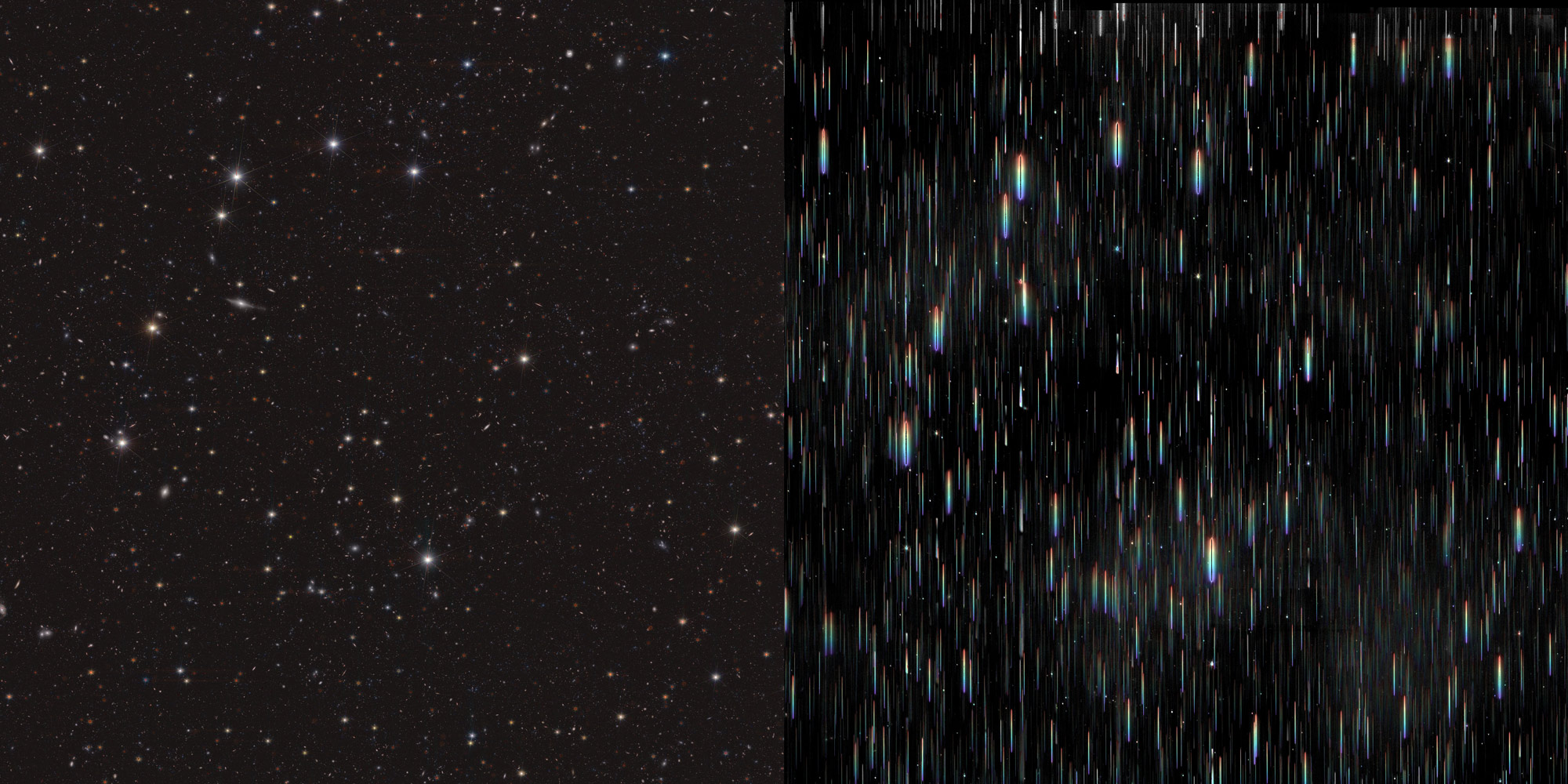

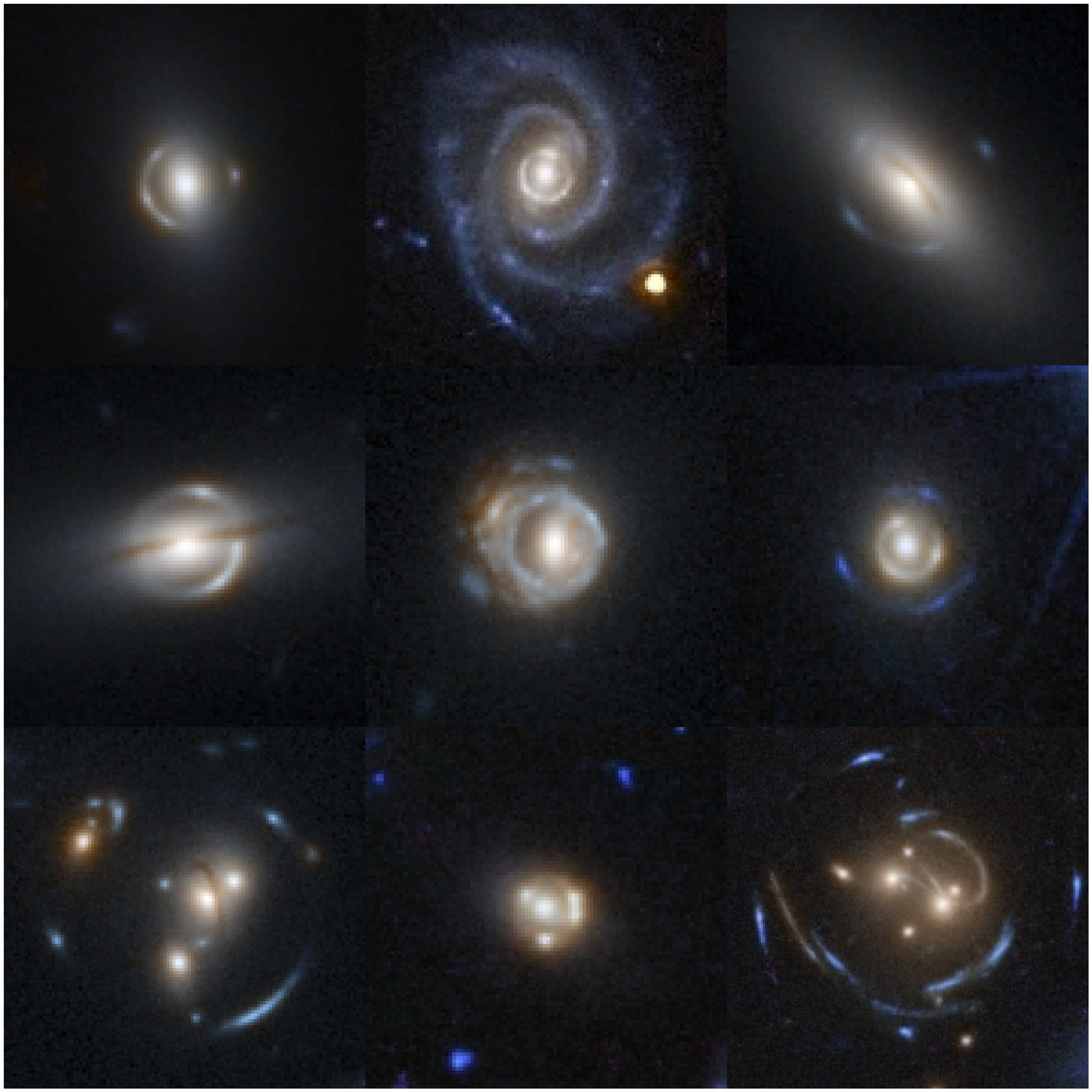

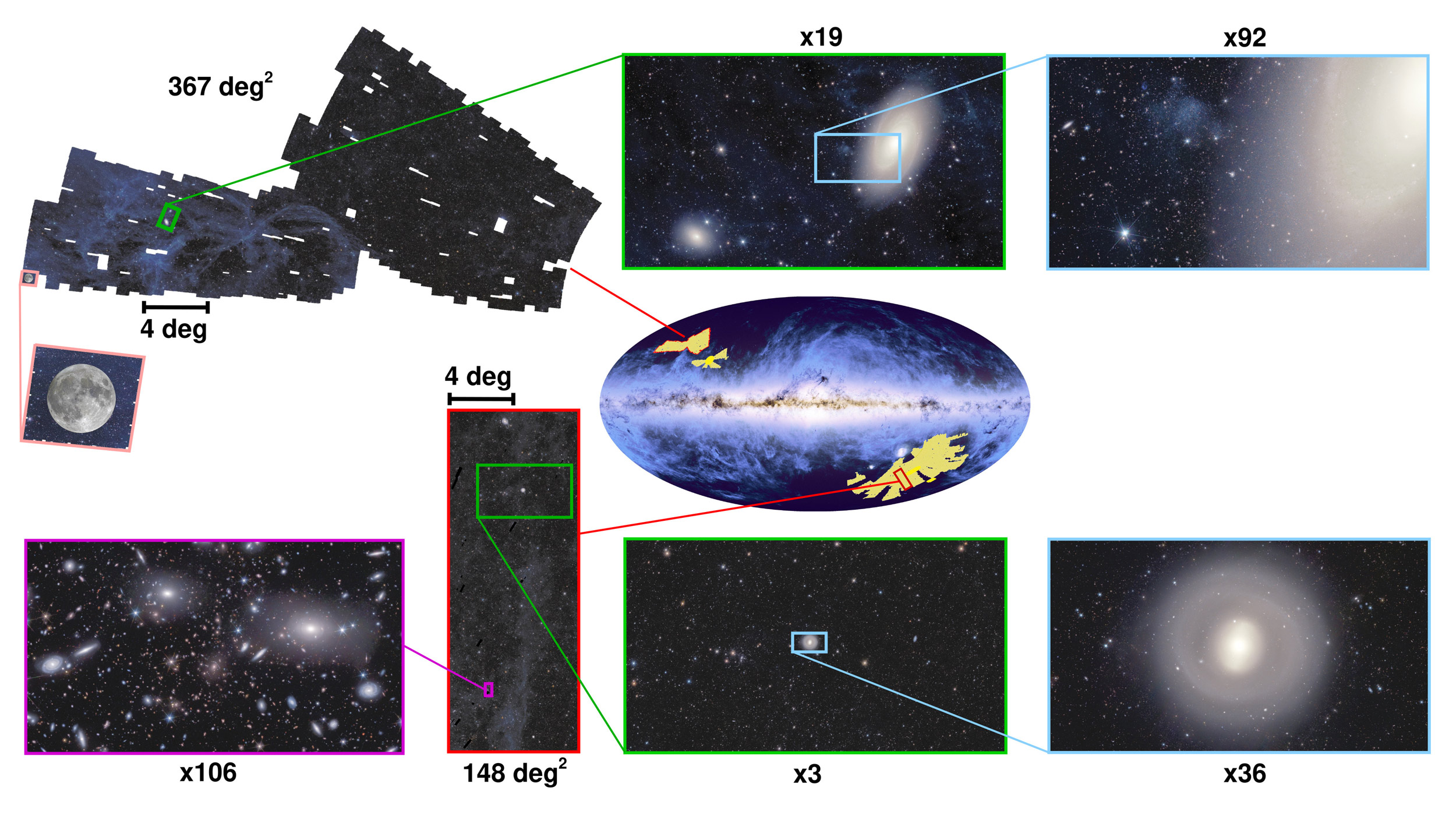
This infographic shows the regions of the sky observed by the Euclid space telescope between 2024 and 2025. The covered areas appear in yellow on an all-sky map, while several successive zooms reveal the richness of the observed fields: from vast clusters of stars and galaxies down to individual galaxies, magnified up to 106 times.
© ESA/Euclid/Euclid Consortium/NASA, image processing by J.-C. Cuillandre and E. Bertin
What is inside the Euclid telescope’s first major data release?
A giant celestial inventory revealing over 900 million galaxies
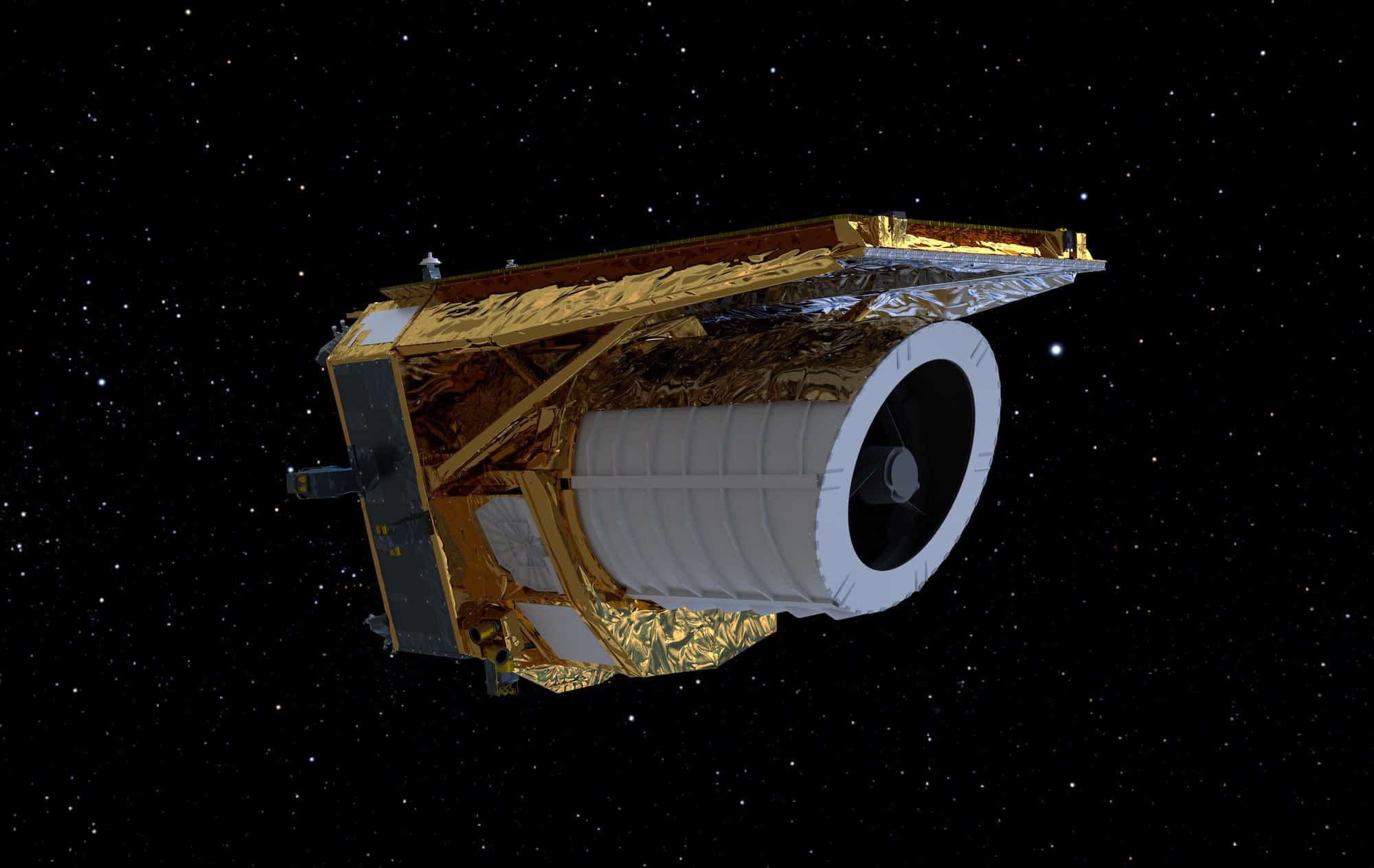
Launched in summer 2023 to explore dark matter and dark energy, the Euclid space telescope is delivering its first major results. The DR1-Foundation release brings together 1.7 million gigabytes of data accumulated over a year of observations. This represents a region of the sky equivalent to 9,500 times the surface area of the full Moon as seen from Earth. Across this immense expanse, Euclid has cataloged more than 900 million galaxies, 60 million quasar candidates, and the light signatures of over 160 million celestial sources. “This is a step-change compared to Euclid’s previous releases, which covered a few days of observations across around 60 deg² of sky,” explains Valeria Pettorino, ESA’s Euclid project scientist. “We are now releasing more than a year of data covering a significantly wider area. This opens the door to major scientific breakthroughs.” This first data release represents just 14% of the total target set for the mission’s six-year survey. Euclid will ultimately cover 14,000 square degrees of extragalactic sky. The full release of the first survey data (DR1) is scheduled for mid-2027.