
• Astronomy

End of mission for the Swift space telescope

Published on 05 November 2026

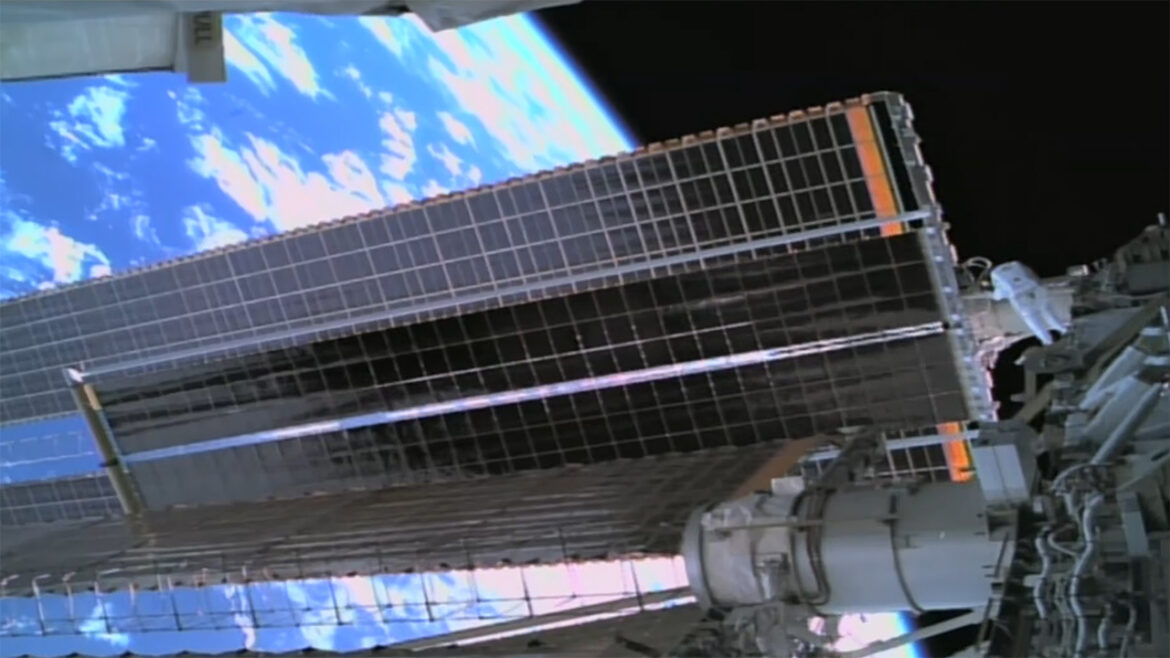
After the failure of its rescue mission, NASA's Swift space telescope reentered the atmosphere over the Indian Ocean after 22 years of mission. This observatory revolutionized our understanding of the most violent phenomena in the Universe.

End of mission for the Swift space telescope

This time it’s over. NASA’s Swift space telescope completed its mission on Wednesday, November 4, 2026 by reentering Earth’s atmosphere after nearly 22 years of activity. Originally designed for a two-year mission, this astrophysics research observatory far exceeded initial expectations. Despite an unprecedented rescue attempt led by private company Katalyst Space over the summer, the spacecraft disintegrated over the Indian Ocean without causing damage.

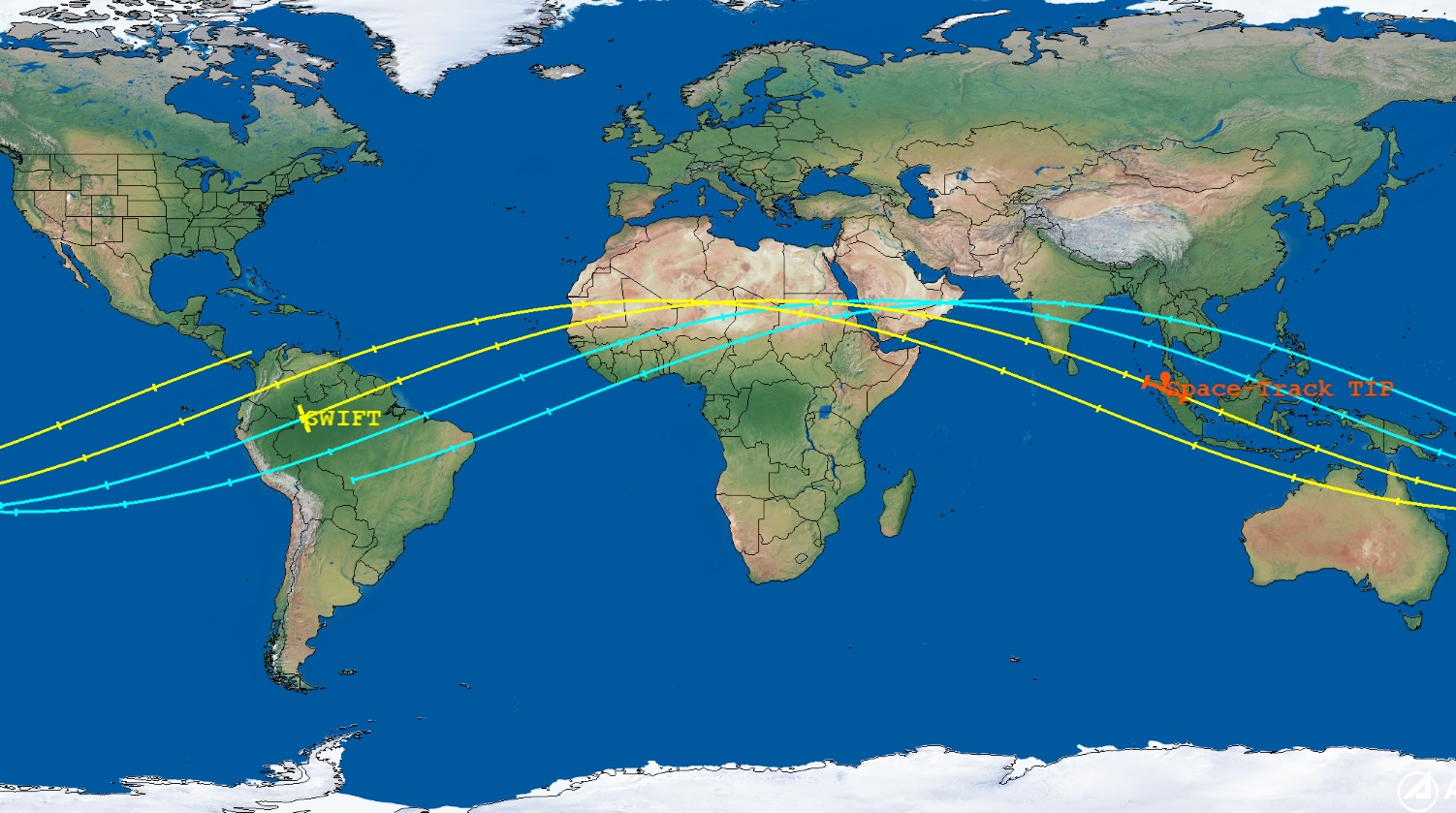
Atmospheric reentry was confirmed at 2:39 p.m. French time, over Indonesia.

© The Aerospace Corporation

Swift disintegrated over the Indian Ocean

How did Swift’s atmospheric reentry unfold?

The U.S. Space Force confirmed that the Swift space telescope reentered Earth’s atmosphere on Wednesday, November 4, 2026 at 2:39 p.m. French time. Disintegration occurred over the northern Sumatra region of Indonesia, at approximate coordinates of 3.4 degrees north latitude and 98.6 degrees east longitude. The observatory had no onboard propulsion system capable of counteracting atmospheric drag. This drag intensified sharply in recent months due to solar activity, which heats and expands the upper layers of Earth’s atmosphere. On October 20, after dropping to a critical altitude of 275 kilometers, the spacecraft entered safe mode before control teams at Penn State University ended operations to prepare for reentry. NASA estimated prior to impact that most of the structure would burn up under frictional heat, assessing the risk of property damage or human injury on the ground at 1 in 2,100. And indeed, this return caused no damage.

Failure of the LINK rescue mission

Technical failures during the orbital rendezvous

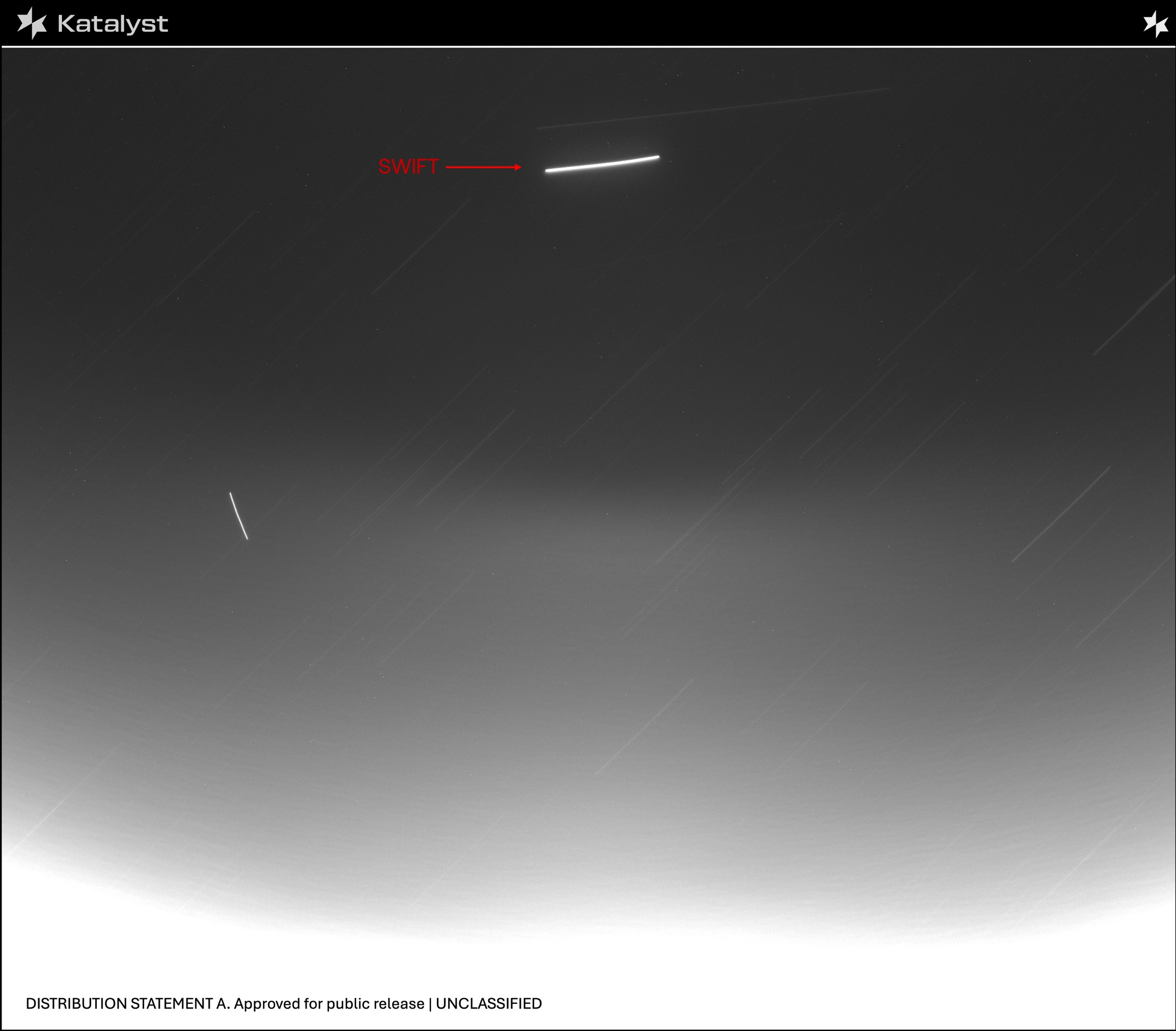
In September 2025, NASA awarded a $30 million contract to Katalyst Space Technologies to design an orbit-raising mission. A particularly tight timeline. On July 3, 2026, the company launched the robotic spacecraft LINK, a refrigerator-sized vehicle equipped with three robotic arms intended to dock with Swift to raise its orbit. However, about three weeks after launch, LINK suffered major propulsion system failures as well as the loss of two of its three reaction wheels. This disrupted its attitude control and caused an abnormal rotation rate. Although LINK was able to get within 12 to 15 kilometers of Swift and photograph it, the docking maneuver had to be abandoned. “From the beginning, this was a high-risk, high-value mission,” Shawn Domagal-Goldman, director of the astrophysics division at NASA Headquarters, had commented at the time in an agency statement. “While we are saddened to see Swift’s mission come to an end, we knew that this orbit-raising effort was worthwhile either way.” Indeed, this test could inspire others. A few days ago, NASA also launched a call for proposals to boost another space telescope: the famous Hubble.

The small Link satellite had managed to get within nearly 15 km of Swift, but, uncontrollable, it also reentered to disintegrate in the atmosphere.

© Katalyste Space

M31_UV

Among the achievements of NASA’s Swift satellite is this ultraviolet image of the Andromeda galaxy. Composed of 330 exposures taken in 2008, it reveals nearly 20,000 ultraviolet sources, including many young, hot stars. A detailed view obtained after 24 hours of exposure.

© NASA/Swift/Stefan Immler (GSFC) and Erin Grand (UMCP) Optical image: Bill Schoening, Vanessa Harvey/REU program/NOAO/AURA/NSF

Scientific legacy of the Swift mission

Two decades of foundational astronomical observations

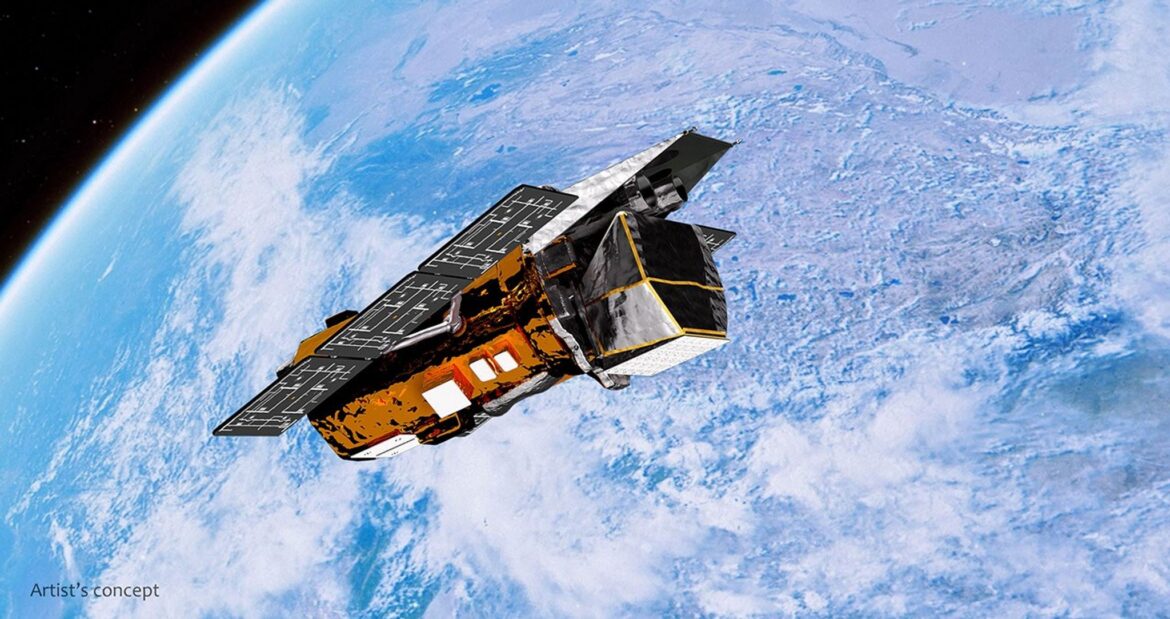
Launched in November 2004 as the Swift Gamma-Ray Burst Explorer, the observatory (renamed in 2018 the Neil Gehrels Swift Observatory in honor of its first principal investigator) revolutionized our understanding of the most violent cosmic phenomena. Equipped with three complementary telescopes (covering gamma rays, X-rays, ultraviolet, and visible light), Swift stood out for its rapid slewing reactivity. “Swift had to detect and localize gamma-ray bursts, communicate their position to other observatories, and then slew its telescopes to image the explosion sites before their afterglow faded,” says Bradley Cenko, Swift principal investigator at NASA’s Goddard Space Flight Center. Over its 22 years of scientific operations, Swift observed more than 2,000 gamma-ray bursts and over 1,400 supernovas. It also studied supermassive black holes at the heart of active galaxies, analyzed comets and asteroids in the solar system, and carried out a full-sky X-ray survey. All the data collected resulted in nearly 7,000 scientific publications.

Related articles