• Moon

Blue Origin puts the Moon ahead of tourism

Published on 02 February 2026

The space company created by Jeff Bezos has announced it is pausing the operation of its small suborbital launcher New Shepard, notably used for tourism, in order to accelerate its manned lunar program.

Blue Origin puts the Moon ahead of tourism

Jeff Bezos founded Blue Origin in September 2000, before SpaceX, which launched in March 2002. The space company of the man who built an online retail empire with Amazon has, however, experienced slower growth than Elon Musk’s. But with the commissioning of its New Glenn launch vehicle , Blue Origin is increasingly demonstrating strong ambitions, including participation in the Artemis crewed lunar program . This ambition has now taken precedence over suborbital tourism conducted with the New Shepard.

THE NEW SHEPARD ON PAUSE

98 PASSENGERS AND 200 EXPERIENCES

By developing the small, reusable New Shepard launch vehicle and its capsule (also reusable), Blue Origin enabled its teams to master certain aspects of spaceflight in the less demanding suborbital domain (exceeding the 100 km boundary of space without reaching orbit; the capsule returns by parachute near the launch site).
On January 22, Jeff Bezos’s company celebrated the success of the seventeenth crewed flight of the New Shepard since July 20, 2021, with a total of 98 passengers (92 different people, as some flew twice) who ventured a few kilometers beyond the 100 km boundary of space, launching from Texas.

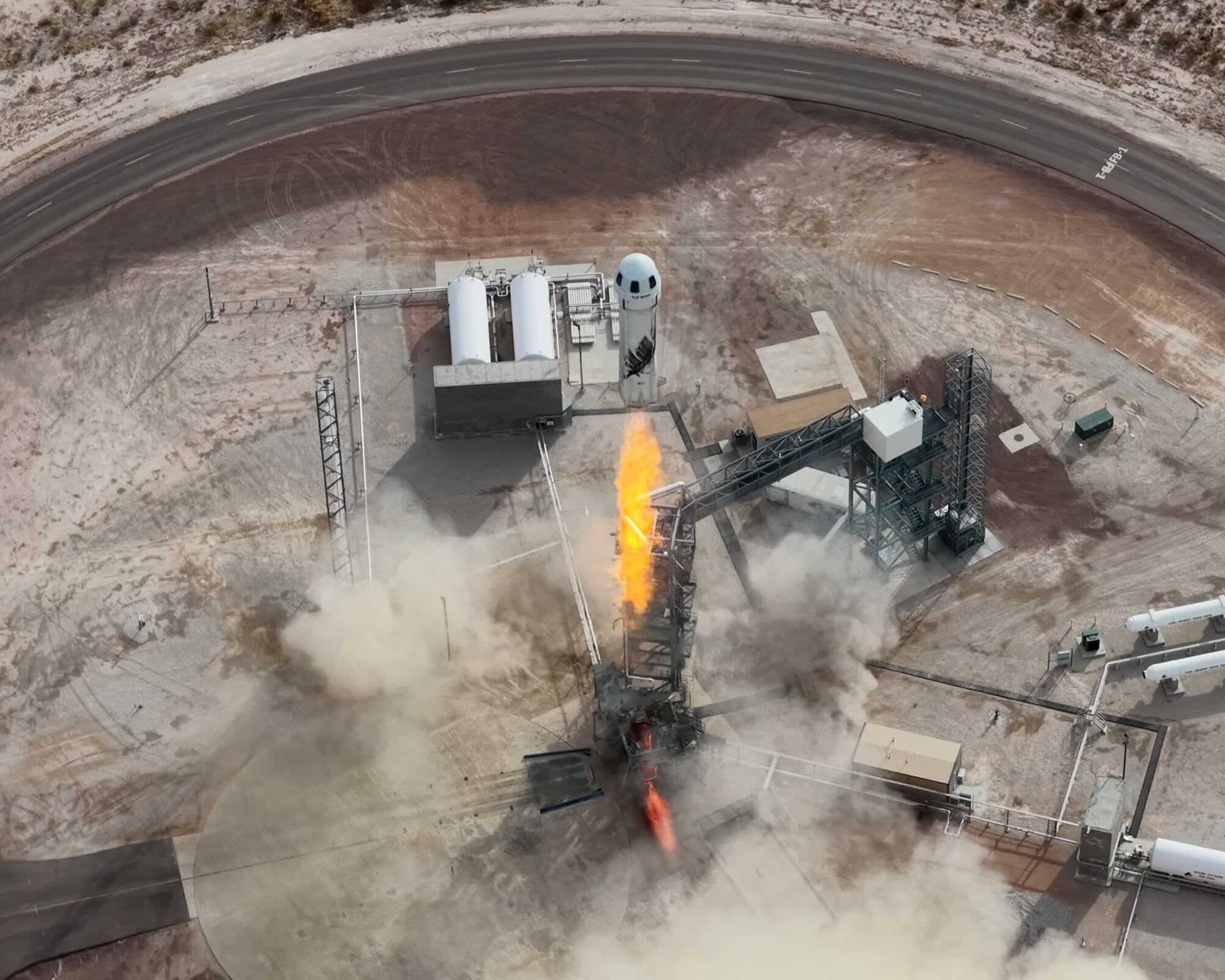
Blue Origin’s New Shepard flight NS-38 took off from Texas on January 22.
© Blue Origin

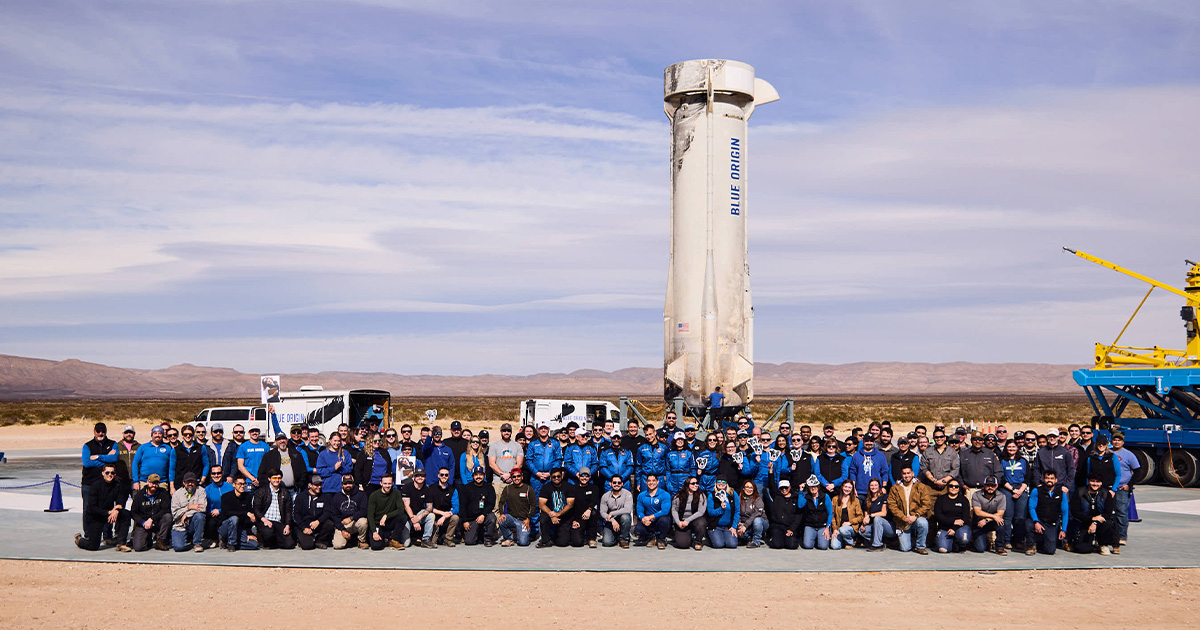
The New Shepard crew in front of the launch vehicle after a mission return.
© Blue Origin 

 The New Shepard capsule can carry a maximum of six passengers without a pilot on board, as the mission is largely automated and controlled from the ground. New Shepard has also been used to conduct scientific experiments, mostly during uncrewed flights where the capsule carries only instruments. Blue Origin claims to have carried out more than 200 experiments from NASA, research institutions, and universities. But a few days later, on January 30, Jeff Bezos’s company announced it will “pause New Shepard flights for no less than two years.“

PRIORITY TO THE LUNAR PROGRAM

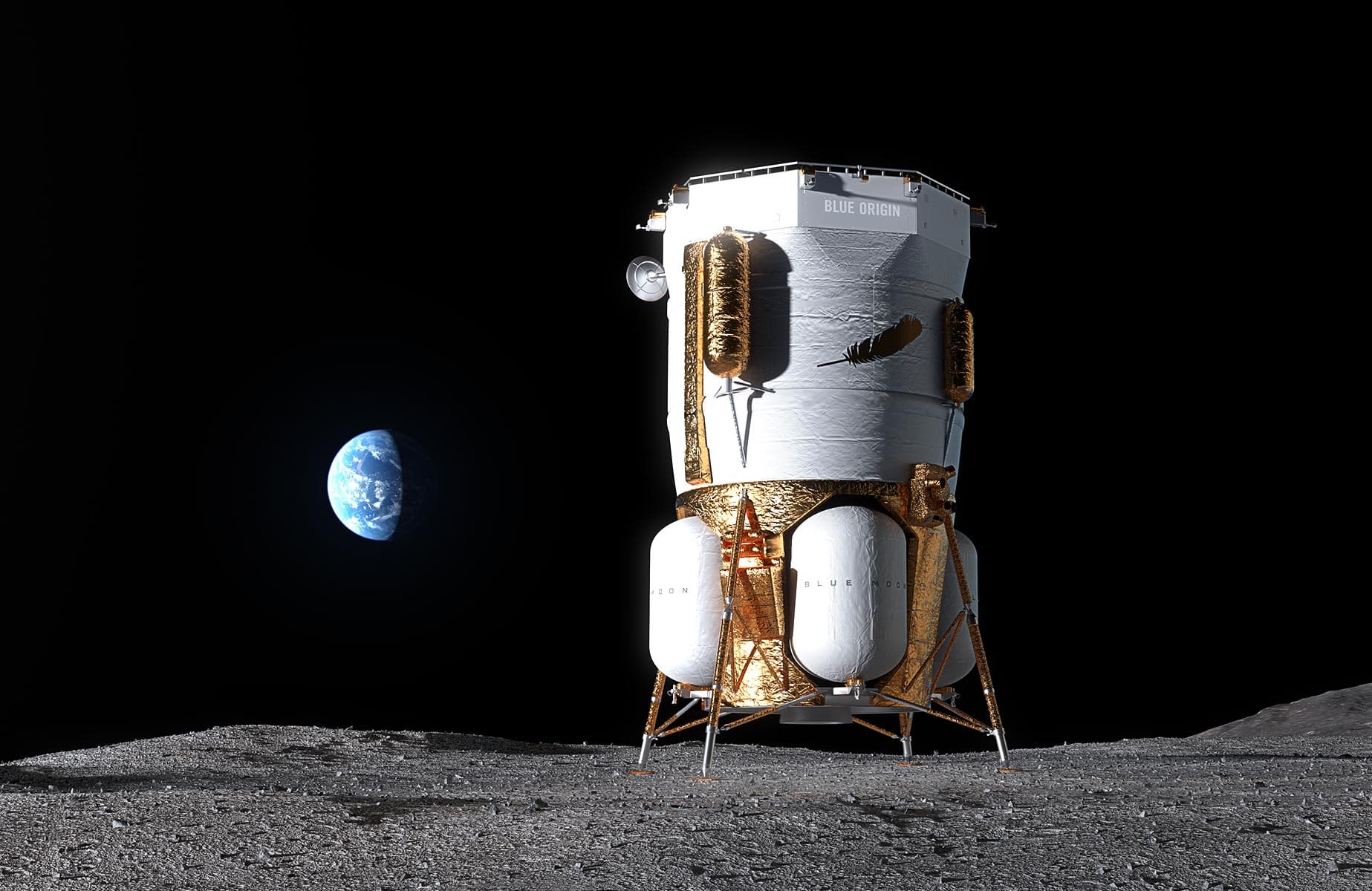
Blue Origin makes no secret of its objective, as the January 30th press release specifies that it will “shift resources to further accelerate development of the company’s human lunar capabilities.“ Indeed, while SpaceX’s Starship was selected by NASA to become, in a specific version, a lunar lander for Artemis, Blue Origin is the second company chosen . To this end, it is working on the Blue Moon, a 16-meter-tall vehicle, and simultaneously on a smaller, 8-meter-tall uncrewed version intended for cargo, called Blue Moon Mark 1 (the crewed version is now designated Blue Moon Mark 2). As NASA’s contracts and schedule currently stand, SpaceX is slated to provide an HLS (Human Landing System) version of its Starship to transport American astronauts to the Moon during the Artemis III mission. Blue Origin would only become involved starting with Artemis V.

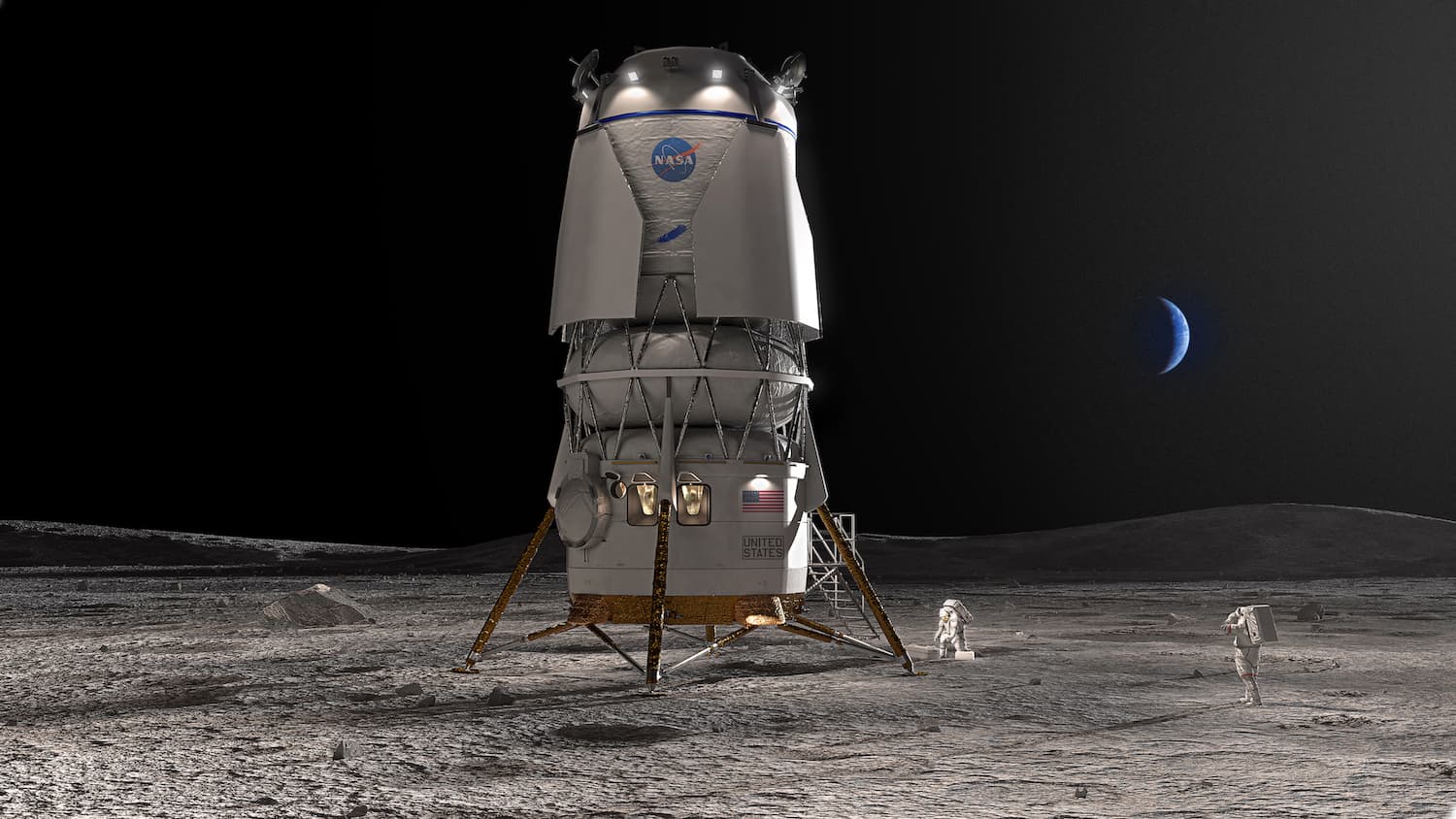
Illustration of the Blue Moon Mark 2, Blue Origin’s 16-meter-tall crewed lunar lander designed for the Artemis program.
© Blue Origin

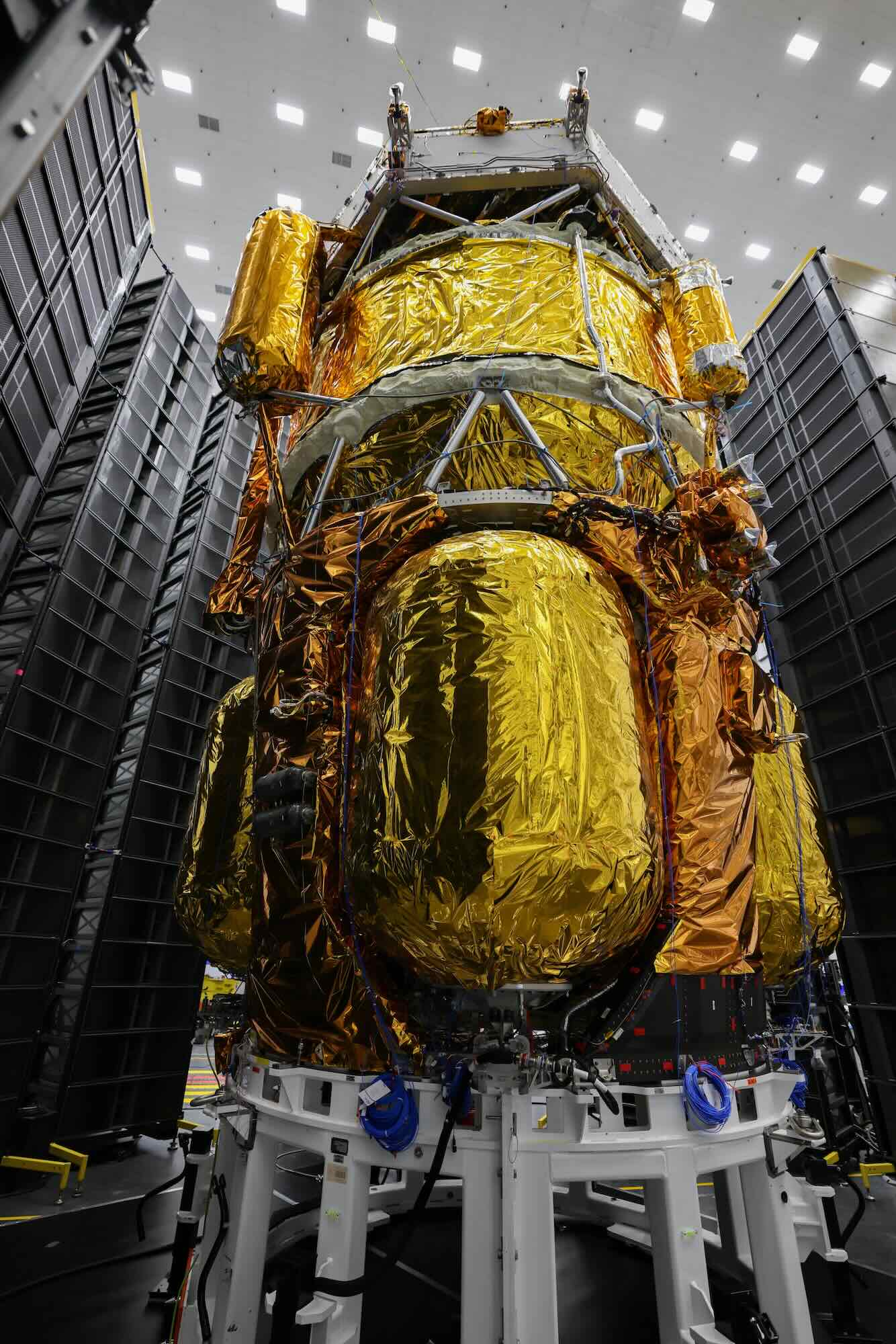
The Blue Moon Mark 1, a smaller cargo version. At 8 meters tall, it will deliver cargo to the Moon.
© Blue Origin

A RACE TO THE MOON… BETWEEN AMERICAN COMPANIES

However, the delay in the development of Starship has clashed with the political will of elected officials in Donald Trump’s Republican party to see Americans return to the Moon before the Chinese set foot on its lunar surface , an event expected in 2029 to coincide with the 80th anniversary of the People’s Republic of China. Moreover, the US president signed an executive order last December setting 2028 as the target date for his country’s crewed return to our natural satellite. And to clearly underscore this ambition, the new NASA administrator, Jared Isaacman, has stated that the agency will choose the lander that is ready first in order to meet the presidential lunar agenda .
The race to the Moon against China (a country that has never officially declared its intention to be on the Moon before the United States returns) is thus becoming a race between American companies , primarily between SpaceX and Blue Origin.

FROM 2026 TO 2028

Blue Origin is preparing to conduct its first fully automated lunar mission this year with its Blue Moon Mark 1 spacecraft. While there will be no astronauts on board, a successful mission would lend Jeff Bezos’s company significant credibility in this field. The following sentence from the January 30th press release leaves no doubt as to the private company’s intentions: “The decision [to pause the New Shepard mission] reflects Blue Origin’s commitment to the nation’s goal of returning to the Moon and establishing a permanent, sustained lunar presence.” It should also be noted that the pause of at least two years, starting from 2026, gives the target year 2028 , the deadline set by Donald Trump.

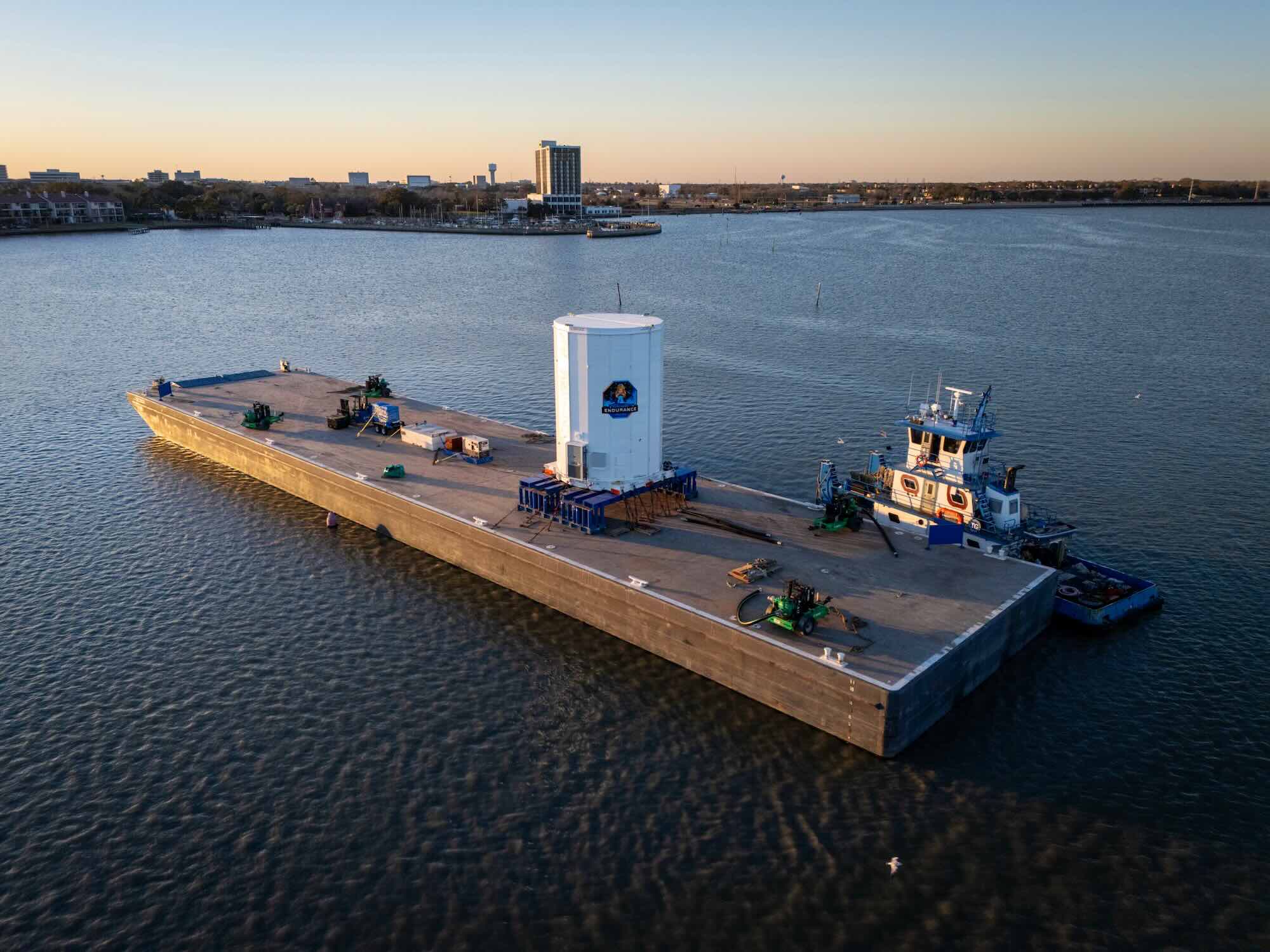
On February 2nd, Blue Origin posted an image of a barge transporting its first lunar lander, Blue Moon Mark 1 (protected inside a white container), to Houston. The goal is to conduct ground tests before the mission.
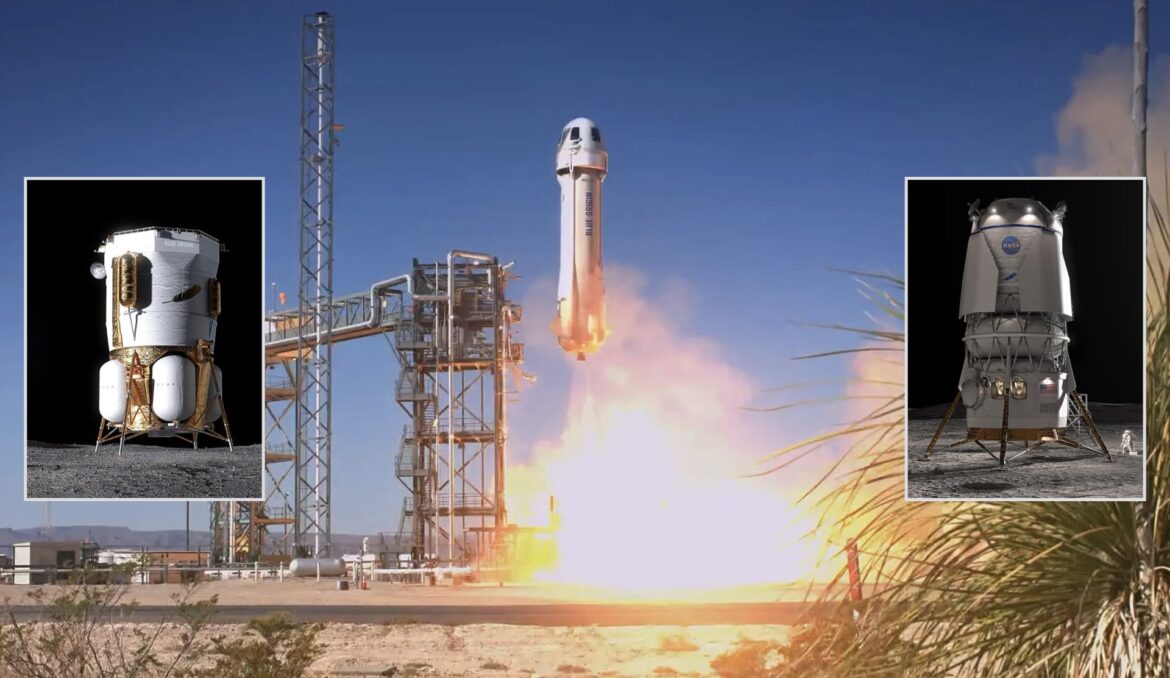
The inset image shows Blue Moon Mark 1 during previous tests.
© Blue Origin

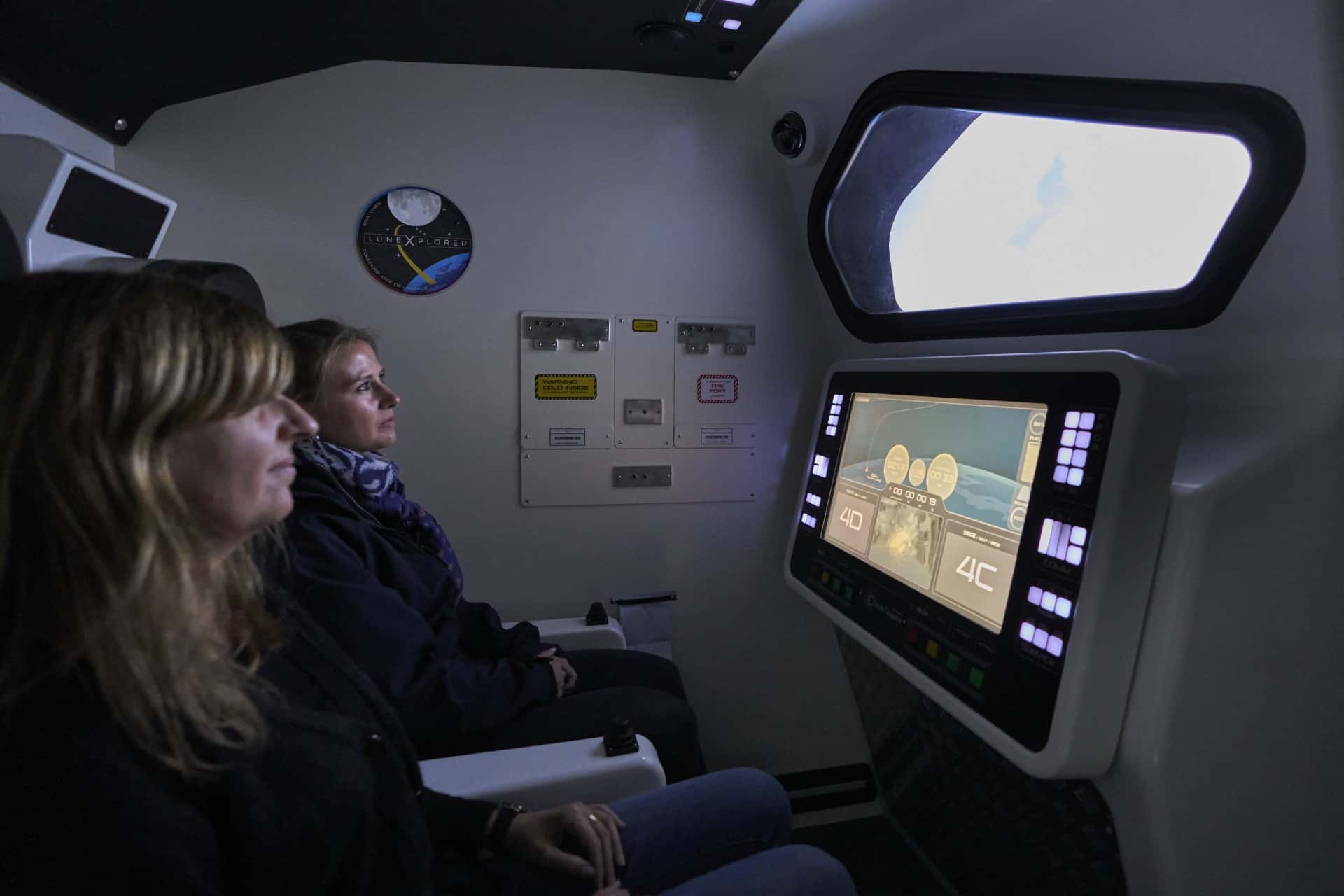
The LuneXplorer at the Cité de l’espace in Toulouse.

LuneXplorer : EXPERIENCE LIFE AS AN ASTRONAUT ON A MISSION TO THE MOON

At the Cité de l’espace, the Moon – Episode II exhibition explains the context of the return to our natural satellite, while the LuneXplorer experience allows you to live and feel the accelerations of a takeoff and the decelerations of a lunar landing.

Related articles