• Crewed Flights

Starliner: NASA admits it narrowly avoided disaster

Published on 20 February 2026

NASA has reclassified the 2024 Starliner flight as a major "Type A" incident. The agency acknowledges leadership failures that endangered the crew and demands a reform of its safety culture before any new crewed missions with Boeing.

Starliner: NASA admits it narrowly avoided disaster

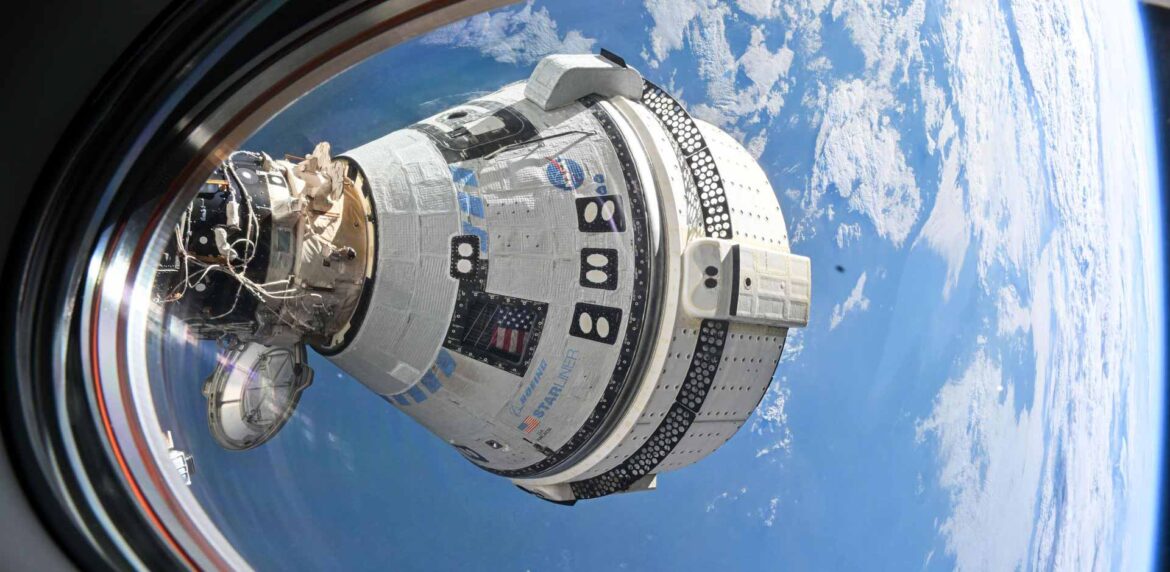
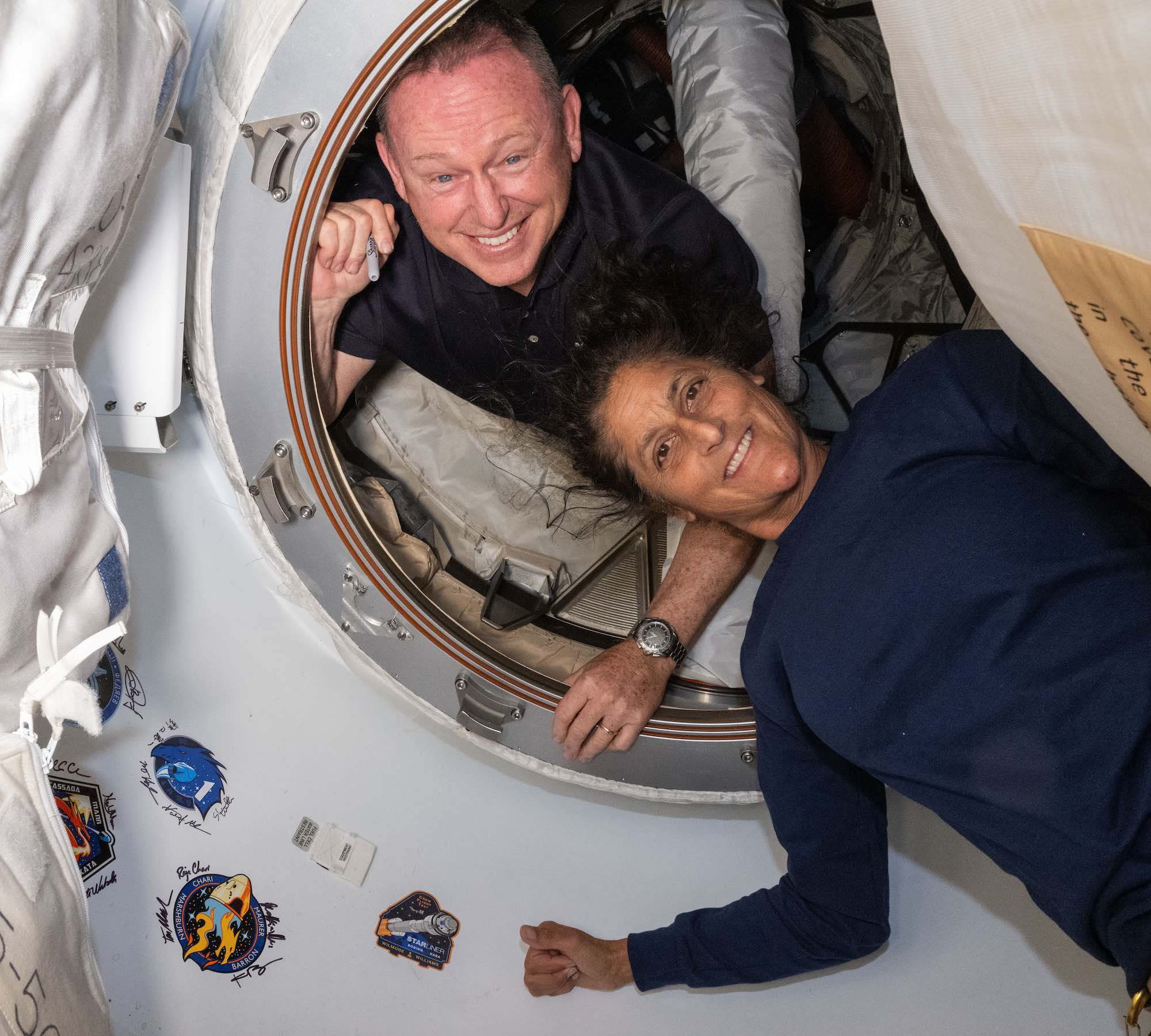
Nearly two years after the first crewed flight of Boeing’s Starliner spacecraft , NASA radically revised its assessment of the mission. At a press conference on February 19, 2026, the American space agency officially reclassified the flight as a “Type A” incident , the most serious category on its safety scale. Administrator Jared Isaacman acknowledged that leadership failures nearly led to a tragic outcome, jeopardizing the safety of the crew and the two astronauts, Sunita Williams and Butch Wilmore . The incidents on the capsule had led to the extension of their mission . The two astronauts were integrated into Crew-9 and remained on the International Space Station for nine months .

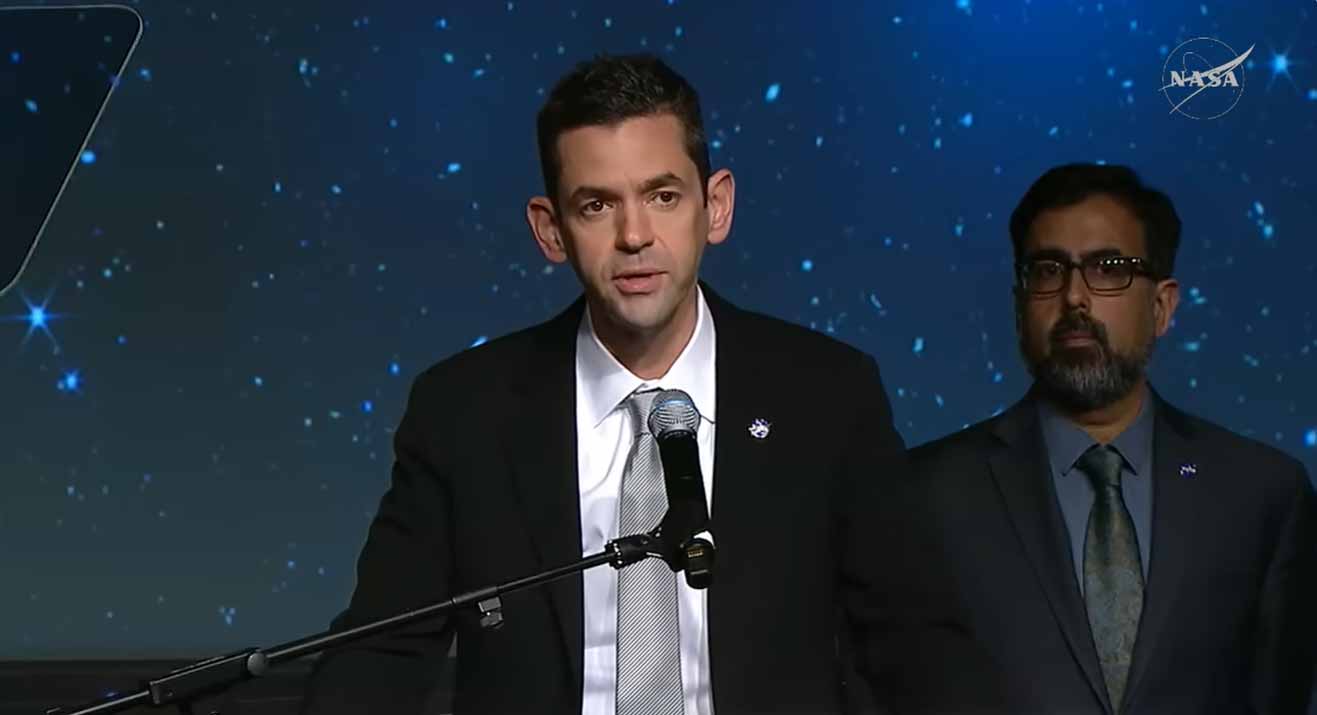
NASA Administrator Jared Isaacman and NASA Associate Administrator Amit Kshatriya presented the findings of the report on the Starliner incident.

A revised, higher level of severity

The “Type A” classification and its implications

NASA now recognizes that the 2024 crewed test flight meets the criteria for a “Type A” incident, similar to the Challenger and Columbia shuttle tragedies. This classification applies to any event resulting in damages exceeding two million dollars or a loss of control of the vehicle in flight. According to Jared Isaacman , this reclassification will “ensure that lessons are fully learned for future missions .”

Leadership failures highlighted

The pressure of the program in the face of security

The American agency’s conclusions are based on an independent investigation that released its report last November. It reveals that the desire to maintain Boeing as the second-largest private transportation provider influenced decisions at the expense of technical rigor. ” The Starliner has design and engineering flaws that must be corrected ,” asserts the NASA administrator . ” But the most troubling failure revealed by this investigation is not material. It concerns decision-making and leadership, which, if left unchecked, could create a culture incompatible with human spaceflight  .” The report indicates that the reputation of the Starliner program initially influenced the decision not to report the incident. This culture is said to have prevented a proper assessment of the risks faced by astronauts Butch Wilmore and Suni Williams . The agency now admits that a form of mistrust had taken root within the teams, necessitating a profound reform of the chain of command.

Butch Wilmore and Sunita Williams had left for about two weeks and only returned nine months later. For safety reasons, NASA decided to assign them to the Crew-9 mission, launched in September 2024 with two empty seats. The spacecraft returned in March 2025.

© NASA

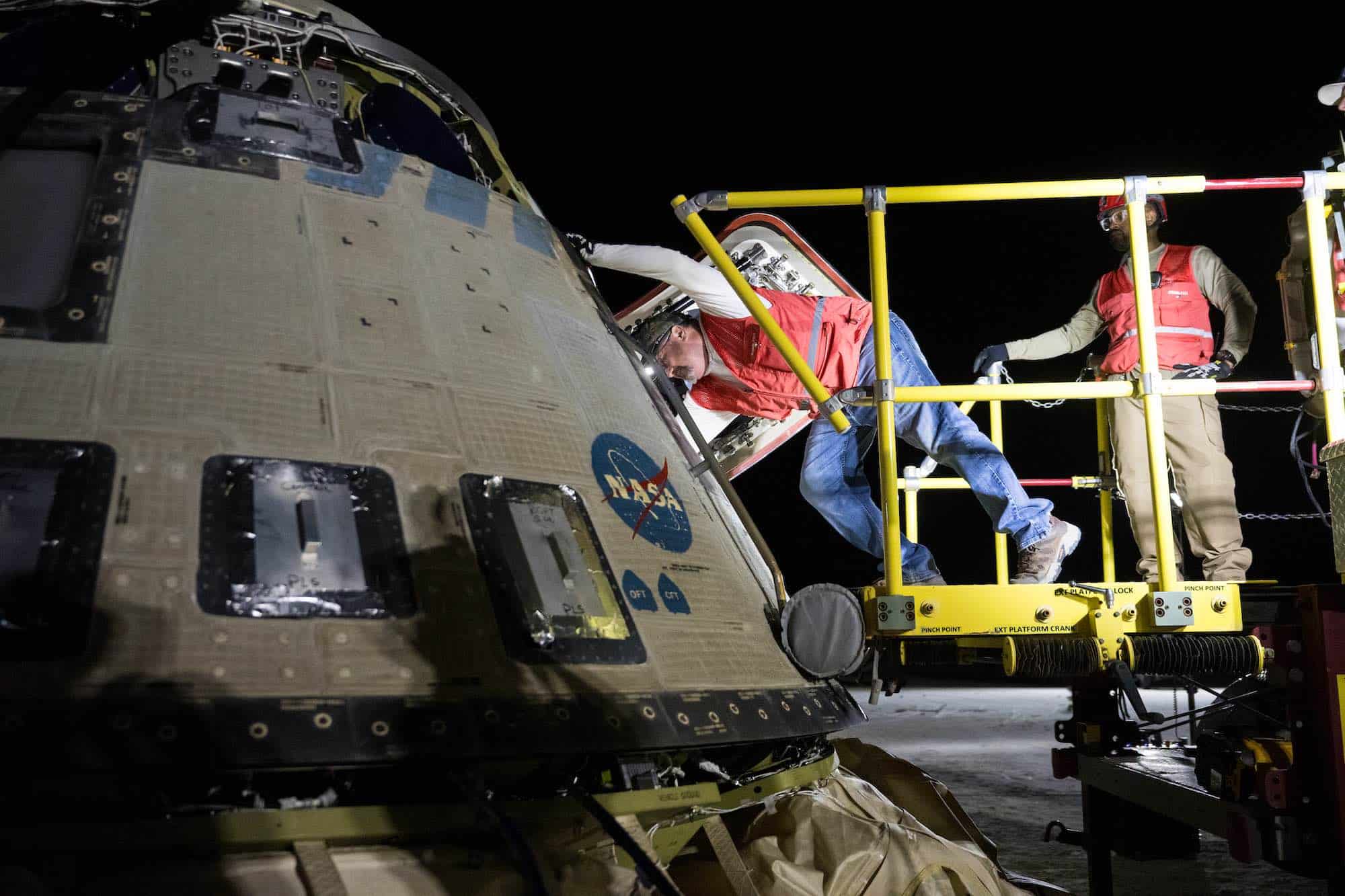
The Starliner spacecraft returned to Earth on September 7, 2024, in automatic mode, without a crew. According to the report, it no longer had a safety margin on its propulsion systems.

© NASA

A ship in major distress during the flight

Underestimated technical risks

During the mission , the spacecraft experienced multiple engine failures and a temporary loss of orientation control. ” It was a really difficult event in our recent history. We almost had a truly terrible day ,” admitted NASA Associate Administrator Amit Kshatriya. Upon its uncrewed return to Earth , the Starliner had no remaining safety margin on its propulsion systems.

The future of the program is conditional.

Despite these findings, NASA remains committed to working with Boeing to certify the spacecraft , while requiring prior technical corrections. ” America benefits from having multiple pathways to get our crews and cargo into orbit ,” Jared Isaacman reiterated. No new crews will be allowed on board until the root causes of the failures are resolved. A new uncrewed test flight is scheduled for next April. The company responded with a statement indicating that Boeing has made progress in correcting the technical problems encountered on the capsule. ” We are working closely with NASA to ensure the readiness of future Starliner missions and remain committed to NASA’s vision of having two commercial crew transportation providers ,” they added.

Related articles