
• Crewed Flights

NASA is recruiting astronauts for the twenty-fifth time

Published on 17 November 2026

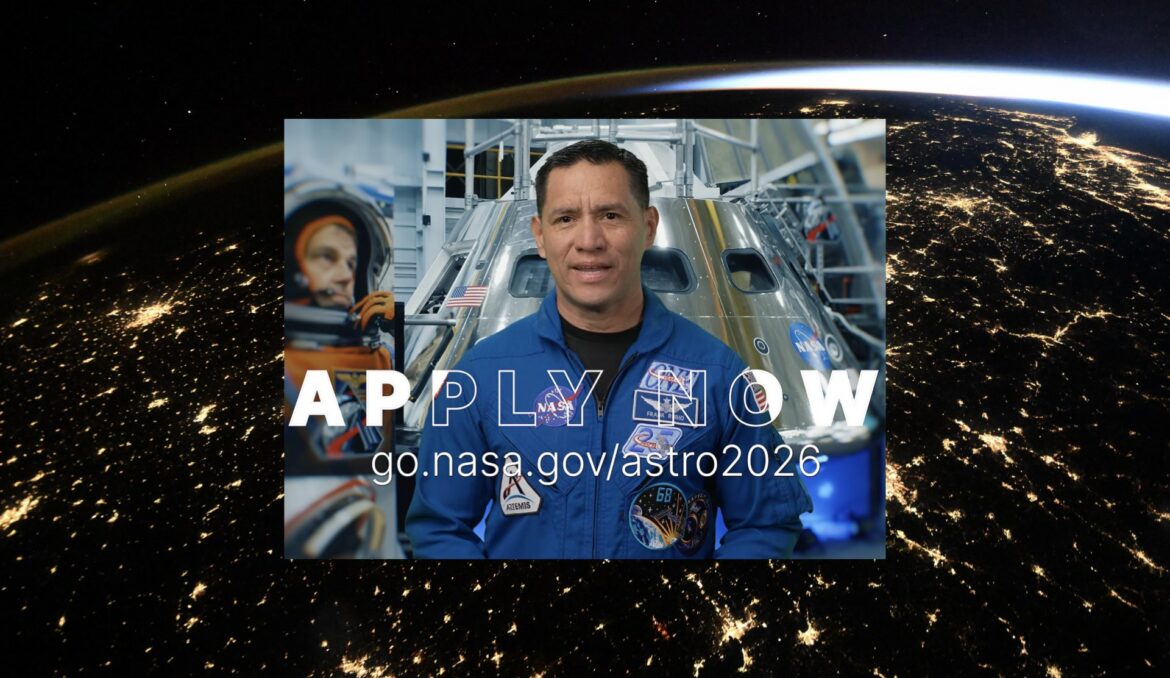
Until December 3, NASA is accepting applications for its 25th astronaut selection program. The agency will announce the selected candidates at the end of 2027.

NASA is recruiting astronauts for the twenty-fifth time

In 2024, NASA initiated its previous astronaut selection process, with the ten winners announced on September 22, 2025, resulting in Group 24, nicknamed The Platypi . To launch the process that will lead to its Group 25 , the American agency notes that since its creation in 1958, it has selected 370 astronauts (303 men and 67 women). To apply, one must, unsurprisingly, be an American citizen and possess a strong technical and/or scientific background, as well as professional experience in these fields. While a test pilot profile (military or civilian) remains valid, it has not been the sole entry point for several decades.

TEAMWORK, GRIT AND PASSION

For each astronaut selection campaign, while certain fundamentals recur (the drive for exploration, science, preparing for the future of humanity, etc.), NASA places greater emphasis on specific program orientations and the qualities it seeks. For 2026, the American agency has chosen a broadly appealing slogan: “The universe is calling.” The video (see opposite) also highlights three constants of the astronaut profession: “teamwork, grit, and passion“. This three-part message was delivered successively by Deniz Burnham (selected in 2021, slated for Expedition 76 to the ISS), Randy Bresnik (Expeditions 52 and 53 to the ISS, future commander of Artemis III), and Kayla Barron (Expeditions 66 and 67 to the ISS). As part of the Artemis program, NASA is officially seeking those who will join them “as America returns to the Moon, builds the Moon Base, and lays the groundwork for the first crewed missions to Mars.”
The application period closes on December 3rd .

Vidéo de la vingt-cinquième campagne de sélection d’astronautes de la NASA.

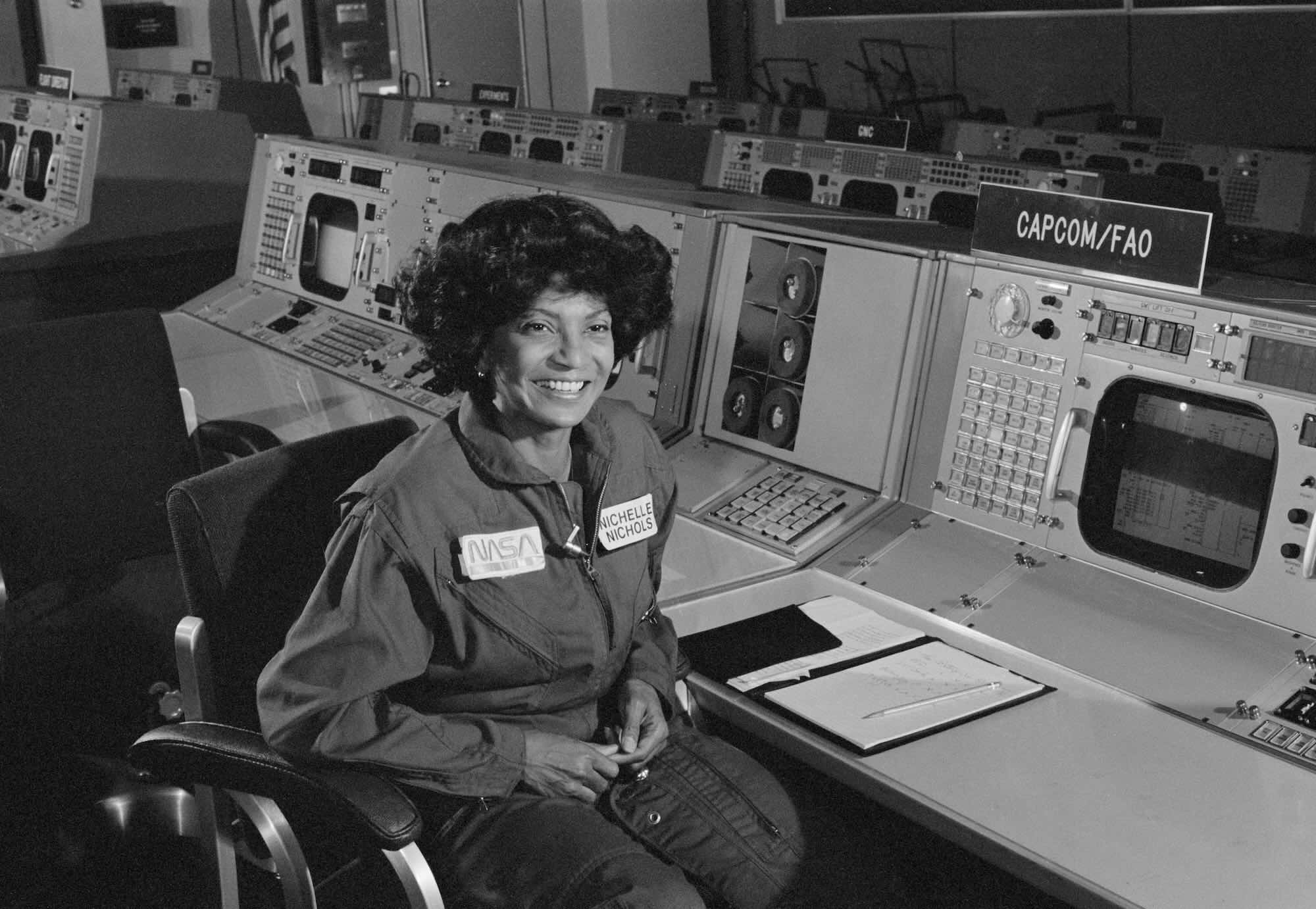
Nichelle Nichols (Lieutenant Uhura from Star Trek ), NASA ambassador in 1977 and a symbol of the agency’s commitment to inclusivity for women and minorities.
© NASA

TRADITIONS AND OPENNESS

The classic profile of a test pilot remains valid, but over the years, NASA has broadened its criteria to include scientific and technical degrees while also taking professional experience into account. The agency has also widely communicated its commitment to including (unlike in its early days) female applicants and those from minority groups . While the Star Trek science fiction saga recently celebrated its sixtieth anniversary, it’s worth remembering that for its 1977 selection, NASA enlisted African-American actress Nichelle Nichols as an ambassador for its commitment to inclusivity . Nichelle Nichols portrayed Lieutenant Uhura, the communications officer on the Enterprise, in the original series and subsequently in six film adaptations.
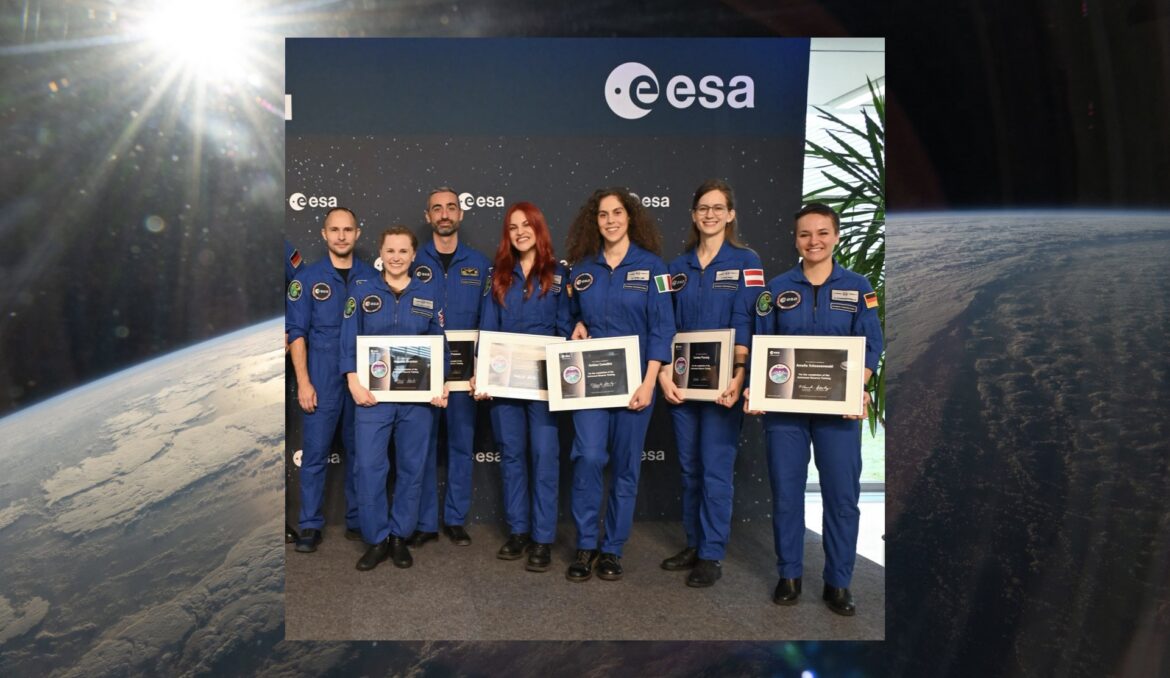
However, some traditions remain unchanged, notably the practice of giving a class of astronauts a nickname. In addition to the official title of NASA Astronaut Group followed by a number (in this case, 25), a nickname, sometimes humorous, is added . This tradition is also followed in Europe. Recently, the nine European Space Agency (ESA) reservists who completed their basic training chose to call themselves the Chameleons .

HOW ARE ASTRONAUTS SELECTED?

The requirements related to degrees and professional experience are far from being the only factors considered by a space agency when recruiting astronauts. In fact, they serve primarily as basic criteria. The selection process then considers medical aspects and psychological stability, as well as the evaluation of essential skills for the profession, such as visual perception, memory, logic, concentration, and a sense of direction (which is severely tested in weightlessness), etc.
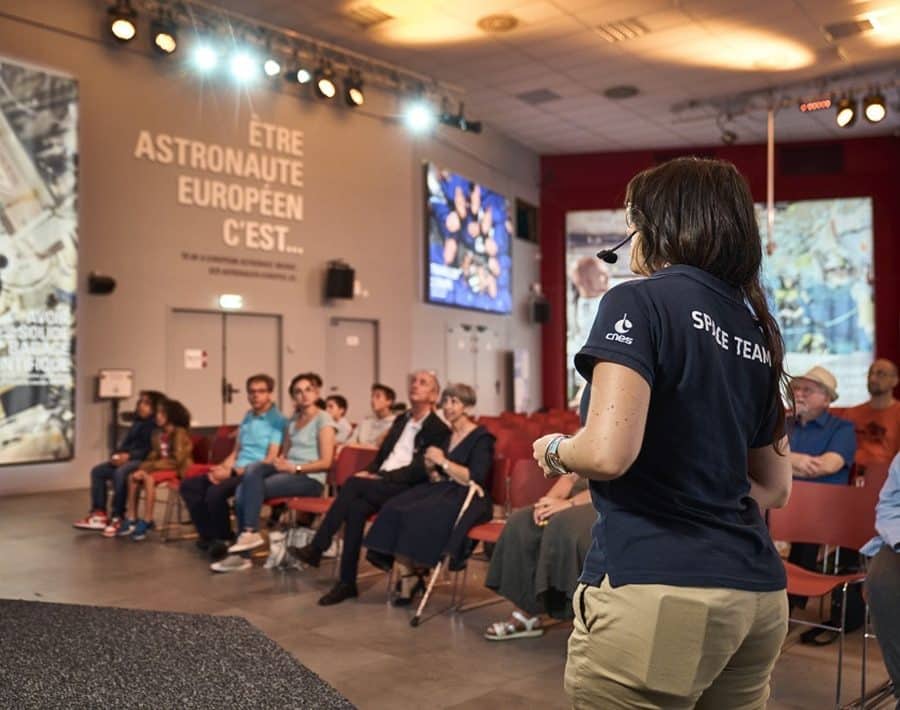
Moreover, the Cité de l’espace (Space City) in Toulouse offers an interactive experience that allows visitors to try out some tests inspired by the actual selection process of the European Space Agency(ESA). There is no elimination or formal evaluation, however; the aim is to understand, in a fun and engaging way, some of the requirements for candidates.

How does the ESA recruit its astronauts?

Designed in partnership with the European Space Agency (ESA), this participatory workshop explains how European astronauts are recruited.
© Cité de l’espace

Related articles