
• Crewed Flights

Mike Fincke reveals he was the astronaut behind Crew-11’s early return

Published on 26 February 2026

Astronaut Mike Fincke revealed that his health condition was the reason for the Crew-11 mission's return. Stabilized in orbit on January 7, he was able to undergo thorough medical examinations on Earth. Now in good health, he praised the professionalism of the ground teams and his colleagues.

Mike Fincke reveals he was the astronaut behind Crew-11’s early return

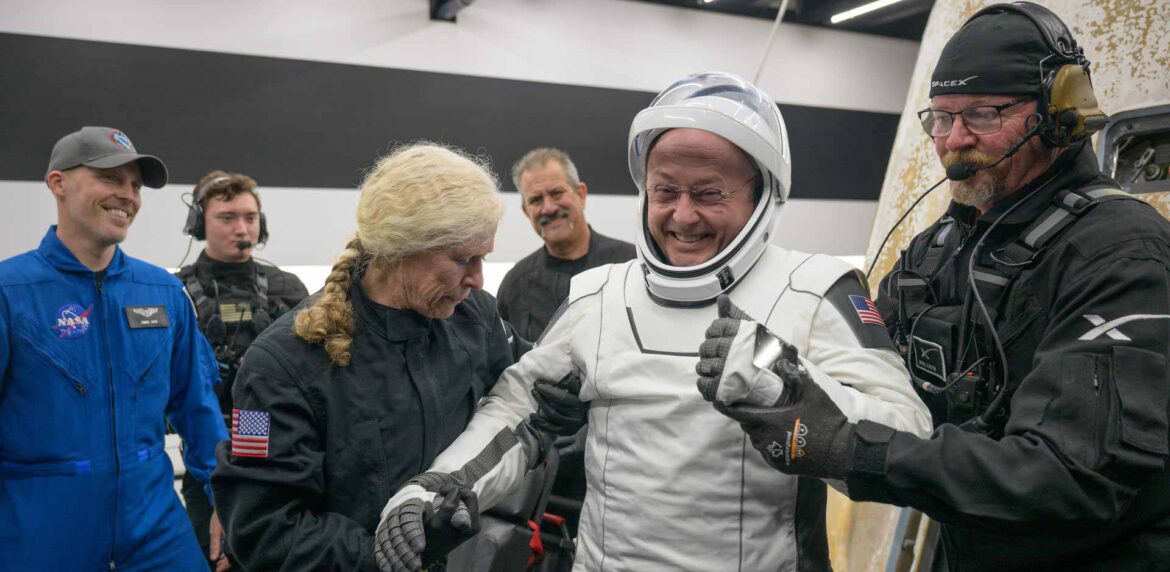
American astronaut Mike Fincke has revealed that he was the Crew-11 crew member whose health condition prompted the mission’s early return on January 15. After several weeks of discretion out of respect for medical confidentiality, the mission’s pilot chose to speak out via an official NASA press release . This announcement puts an end to the speculation surrounding this unprecedented event in the history of the International Space Station , while also confirming the successful recovery of the 58-year-old veteran astronaut, who is currently continuing his rehabilitation in Texas.

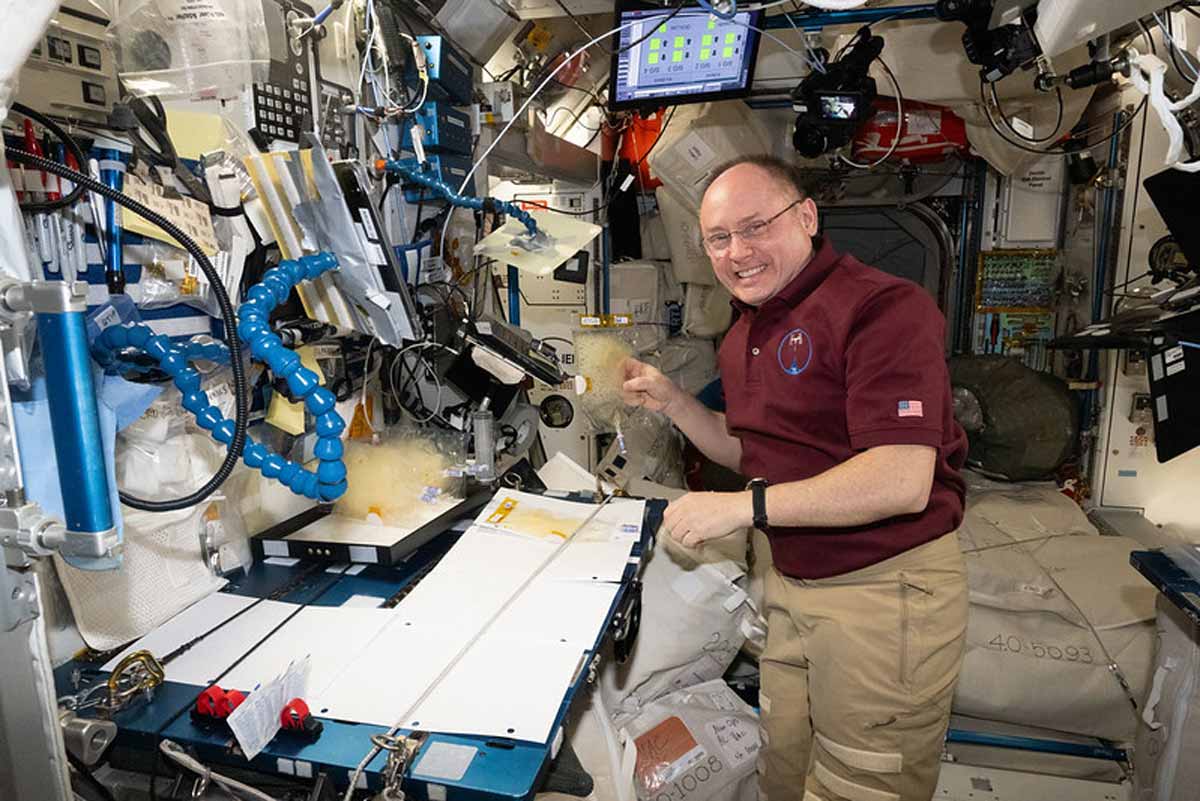
Mike Fincke has flown four times, spending a cumulative total of over 548 days in space. He has performed nine spacewalks and served twice as commander of the ISS.

© NASA

A medical emergency was brought under control in orbit.

The timeline of events and Mike Fincke’s revelations

Until now, NASA and the crew had kept the identity of the astronaut in question confidential , citing privacy concerns. Numerous rumors circulated regarding each crew member in turn. The name of Japanese astronaut Kimiya Yui had been mentioned several times due to a PMC (Private Medical Consultation) requested shortly before the return announcement. These consultations take place weekly for each astronaut on the station. In an update published on February 25 , Crew-11 pilot and ISS commander Michael Fincke clarified the situation. ” On January 7, while aboard the International Space Station, I experienced a medical event that required immediate attention from my incredible crewmates ,” he wrote. He added that the chain reaction was effective. ” Thanks to their quick response and the guidance of our NASA flight surgeons, my condition quickly stabilized .”



An operational decision rather than an absolute emergency

Although the mission was shortened by a month, space agency officials and the astronaut himself insist that it was not an emergency evacuation . ” After further evaluation, NASA determined that the safest course of action was an early return for Crew-11 . Not an emergency, but a carefully coordinated plan to take advantage of advanced medical imaging not available on the space station .” The crew finally splashed down on January 15 off the coast of San Diego after 167 days in orbit. This early return led to the departure of Sophie Adenot ‘s Crew-12 being brought forward by a few days . Typically, each Crew Dragon receives the next crew member before departing a few days later. On February 14, during the Crew-12 docking maneuvers , it was American astronaut Chris Williams, aboard a Soyuz spacecraft, who performed the operations to allow the new arrivals to enter the ISS.

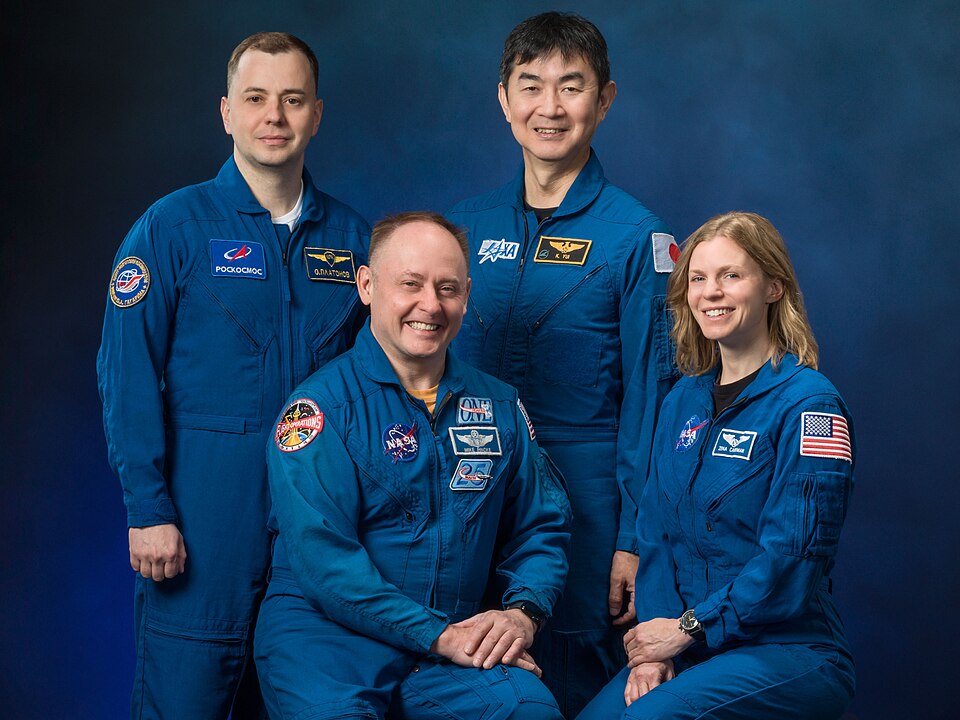
Crew-11 consisted of four crew members: the two Americans Mike Fincke and Zena Cardman, the Japanese Kimiya Yui and the Russian Oleg Platonov.

© NASA / JAXA / Roscosmos

Related articles