• Astronomy

Euclid and the heart of our galaxy

Published on 24 June 2026

Designed to study dark matter and dark energy, the European Euclid space telescope also takes spectacular pictures of the sky. Most recently, it detailed 60 million stars with an image of the center of our galaxy.

Euclid and the heart of our galaxy

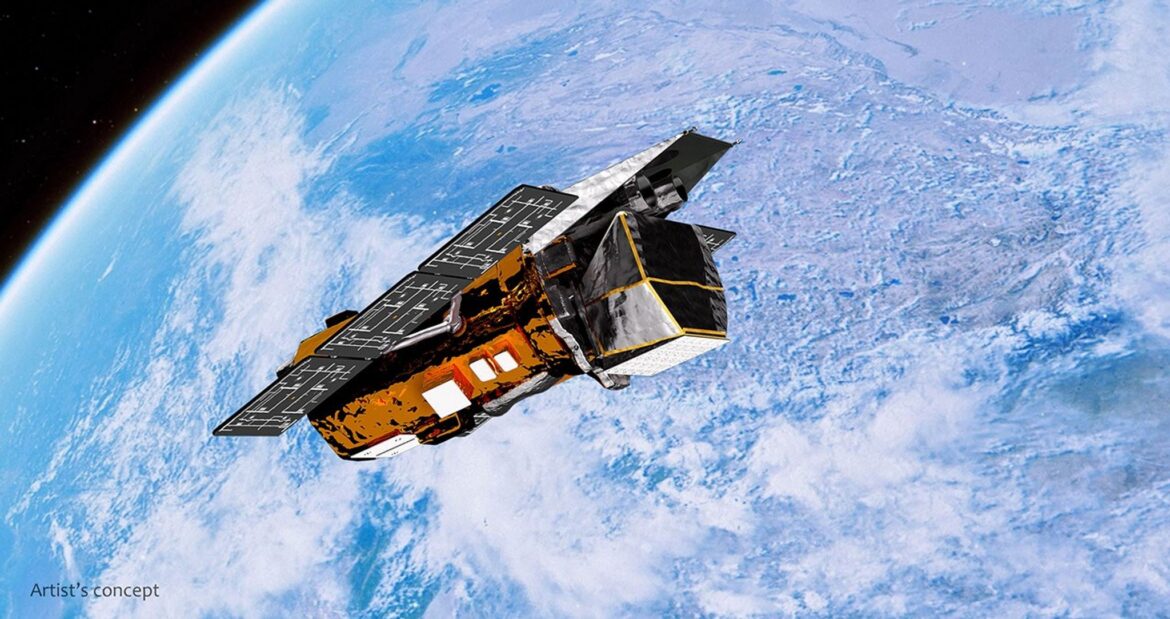
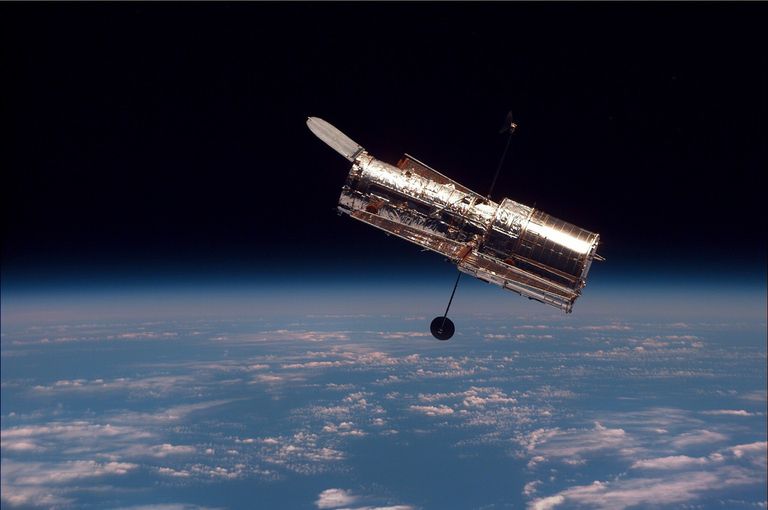
Launched in 2023 aboard a SpaceX Falcon 9 rocket, Euclid is a space telescope of the European Space Agency (ESA). Despite its modest 1.2-meter primary mirror (half the size of Hubble and almost six times smaller than Webb ), Euclid boasts highly advanced imaging capabilities to map the sky, particularly distant galaxies. The data obtained allows for the creation of a three-dimensional map of the universe, with the aim of better understanding dark matter (matter whose gravitational effects are observed but invisible) and dark energy (the force accelerating the expansion of the universe). It’s worth remembering that dark matter and dark energy together account for 95% of the cosmos’ energy budget! Ordinary matter, which constitutes us (and also stars, planets, etc.), represents only 5%… We are truly insignificant!

Beyond this long-term scientific objective, the European observatory has also proven to be a formidable astrophotographer , and its plunge into the heart of our galaxy confirms this once again.

AT THE HEART OF THE MILKY WAY

Euclid’s 1.2-meter diameter mirror gathers light for an extremely powerful 600-megapixel camera. Its other distinctive feature is its wide field of view, as each of its images covers an area of ​​the sky slightly larger than that of the full Moon , or 270 times wider than Hubble’s field of view.

On March 23, 2025, at the request of scientists, Euclid was pointed towards the galactic bulge of the Milky Way, our galaxy . The data processing time explains why the ESA only recently released the images on June 24, 2026.

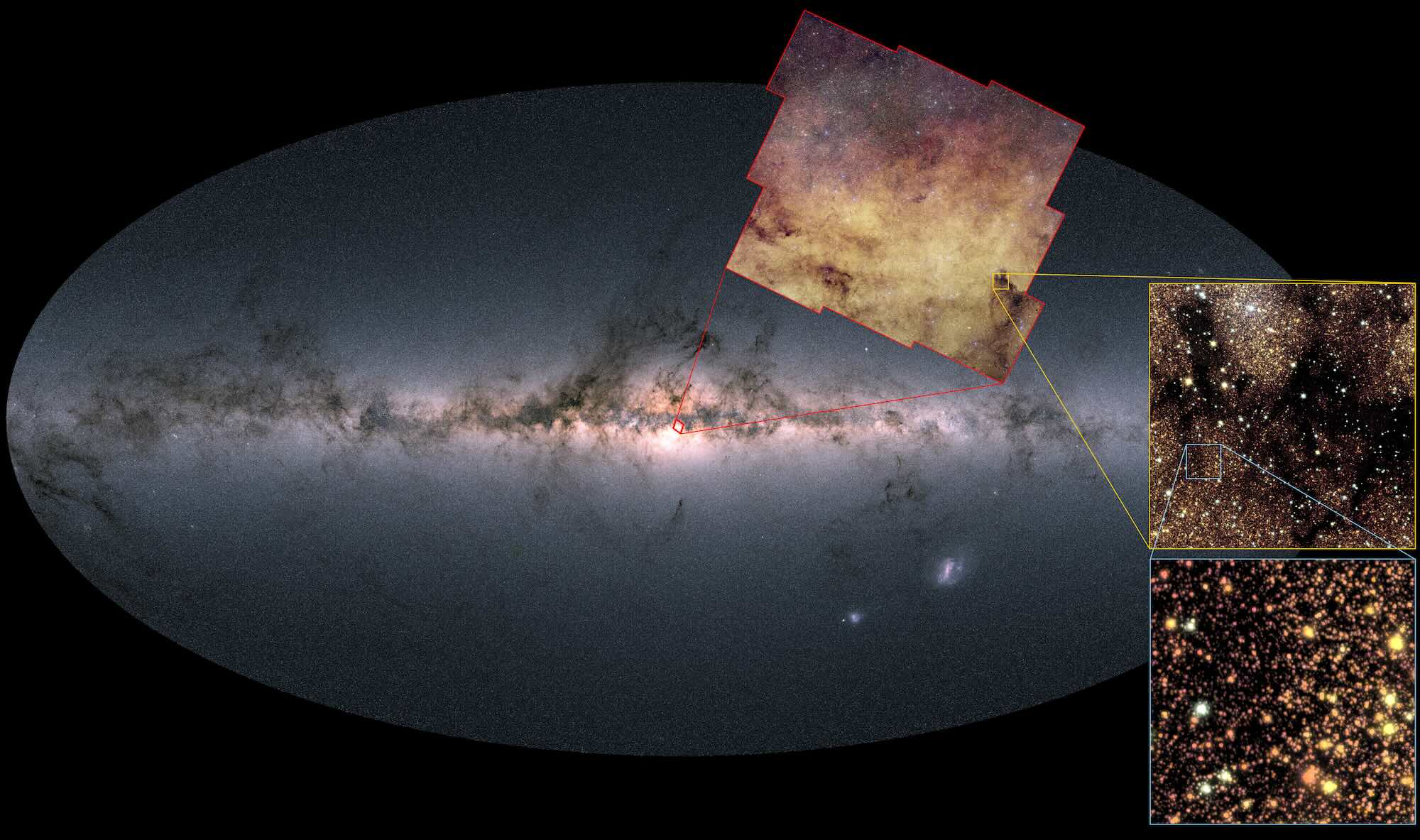
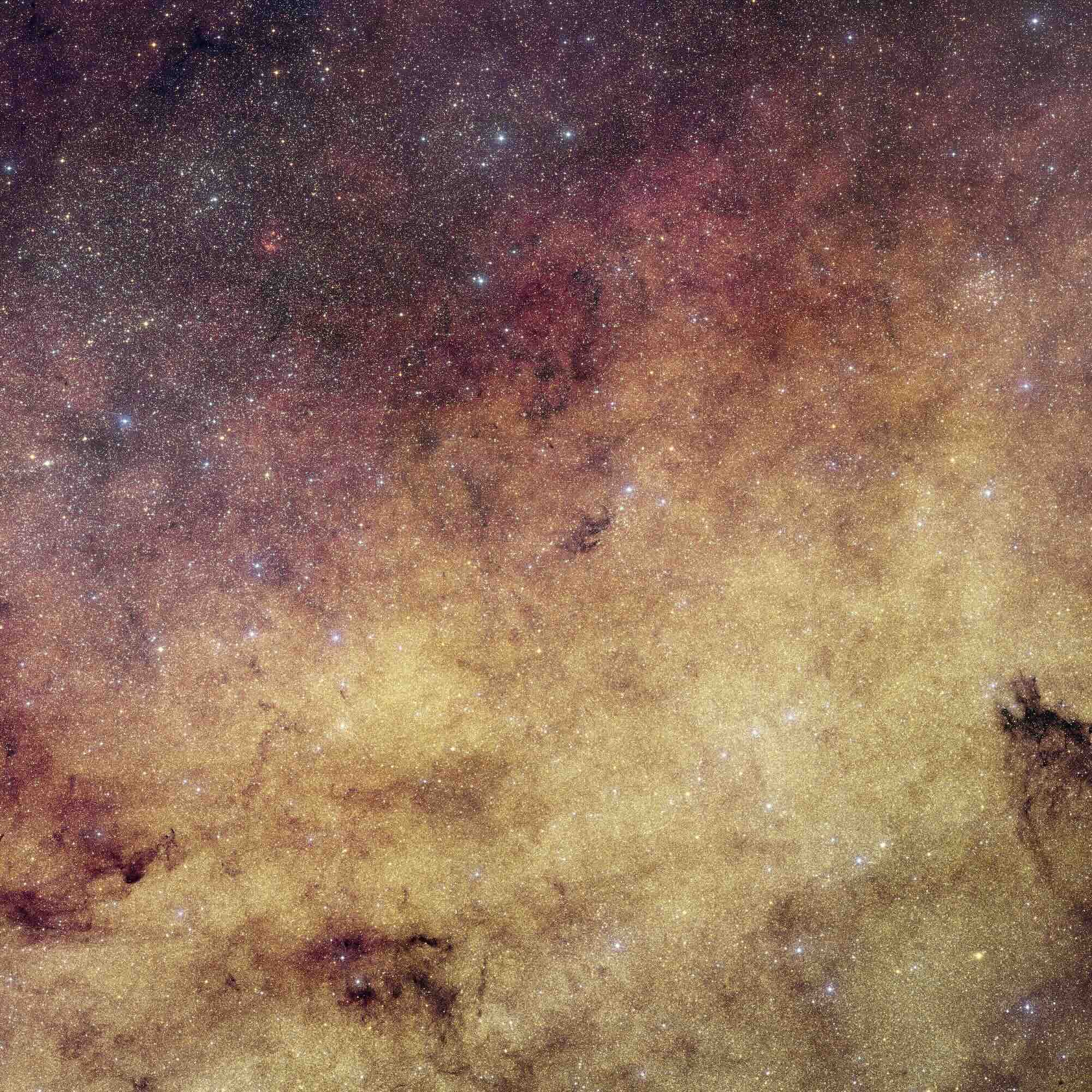
The mosaic of nine Euclid images is located at the heart of our galaxy, the Milky Way.
© ESA

The center of our galaxy by Euclid (mosaic of nine images).
© ESA/Euclid/Euclid Consortium/NASA, CFHT, image processing by J.-C. Cuillandre and E. Bertin (CEA Paris-Saclay)

AN IMAGE WITH 60 MILLION STARS

By targeting the center of our galaxy, Euclid captured a total of nine images in 26 hours , which were assembled into a mosaic that brings together a little over 60 million stars, according to the ESA.

For this image, Euclid used only its 600-megapixel VIS camera (for VISible, meaning the visible light our eyes perceive), which provides black and white data. The color information comes from observations by the Canada-France-Hawai’i Telescope   (CFHT) located atop Mauna Kea on the island of Hawaii.

A VISUAL JOURNEY TO THE HEART OF THE GALACTIC BULGE

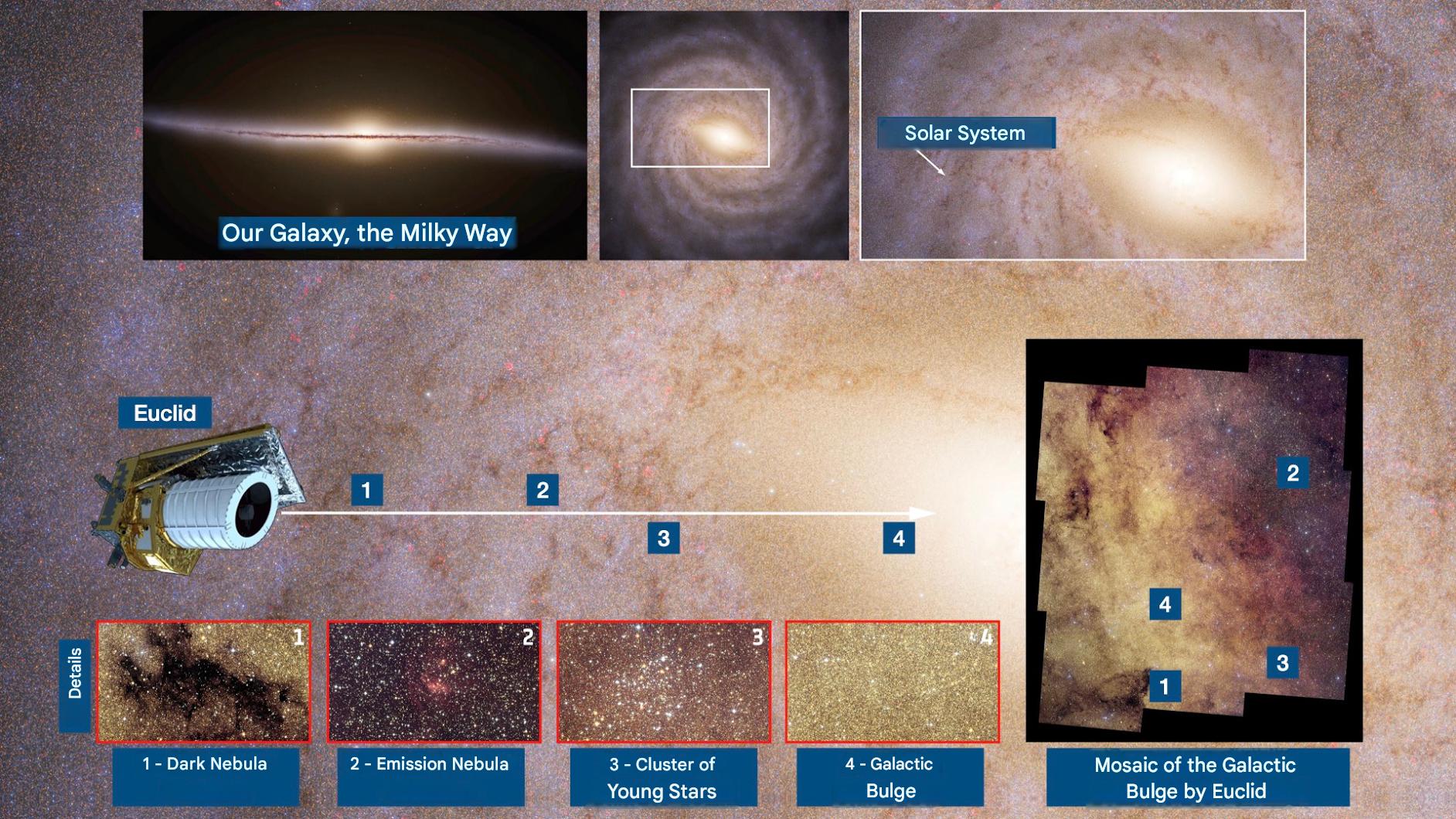
This diagram helps to understand the areas that will be detailed.
The four images that follow this diagram are close-ups of the Euclid’s portrait of the center of the Milky Way shown above.

© French version by Cité de l’espace – Euclid images: ESA/Euclid/Euclid Consortium/NASA, CFHT, image processing by J.-C. Cuillandre and E. Bertin (CEA Paris-Saclay); Milky Way artist impressions: ESA/Gaia/DPAC, Stefan Payne-Wardenaar)

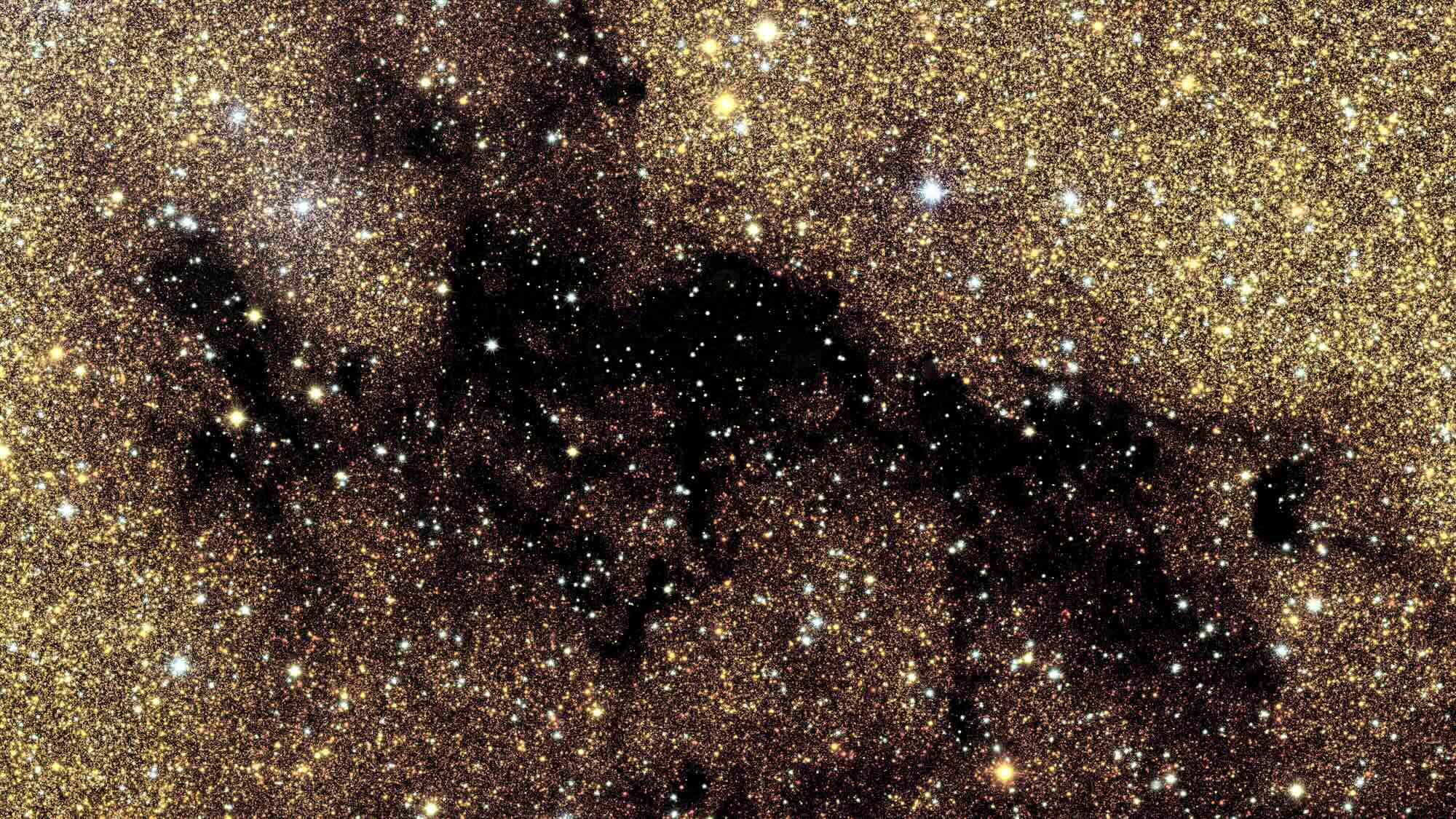
1 – DARK NEBULA

This dense, dark molecular cloud is interposed between the light coming from the center of the galaxy and us.

© ESA/Euclid/Euclid Consortium/NASA, CFHT, image processing by J.-C. Cuillandre and E. Bertin (CEA Paris-Saclay)

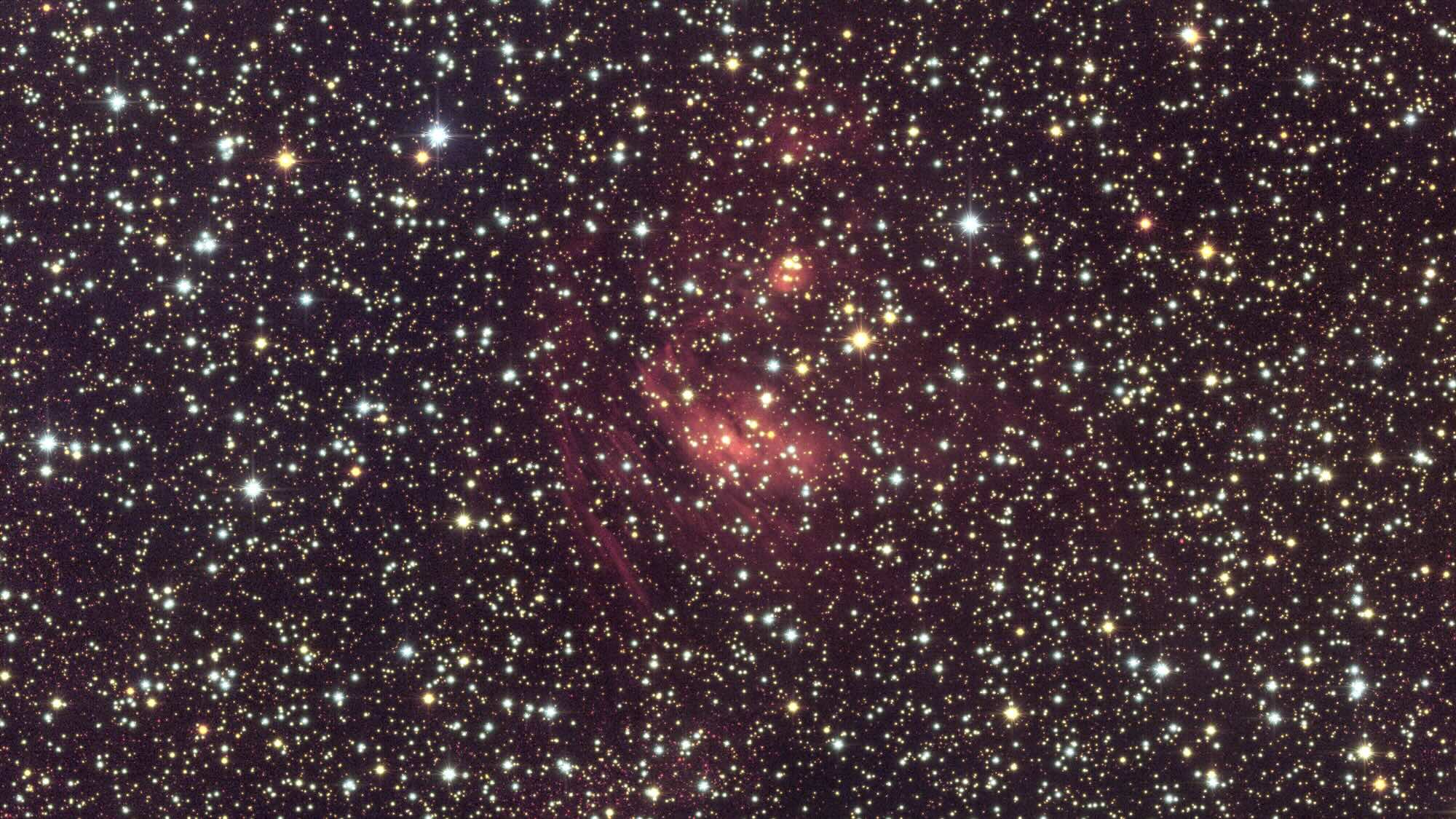
2 – EMISSION NEBULA

This red nebula emits light. It is a cloud of ionized gas expelled by massive stars that recently formed in a spiral arm of our galaxy.

© ESA/Euclid/Euclid Consortium/NASA, CFHT, image processing by J.-C. Cuillandre and E. Bertin (CEA Paris-Saclay)

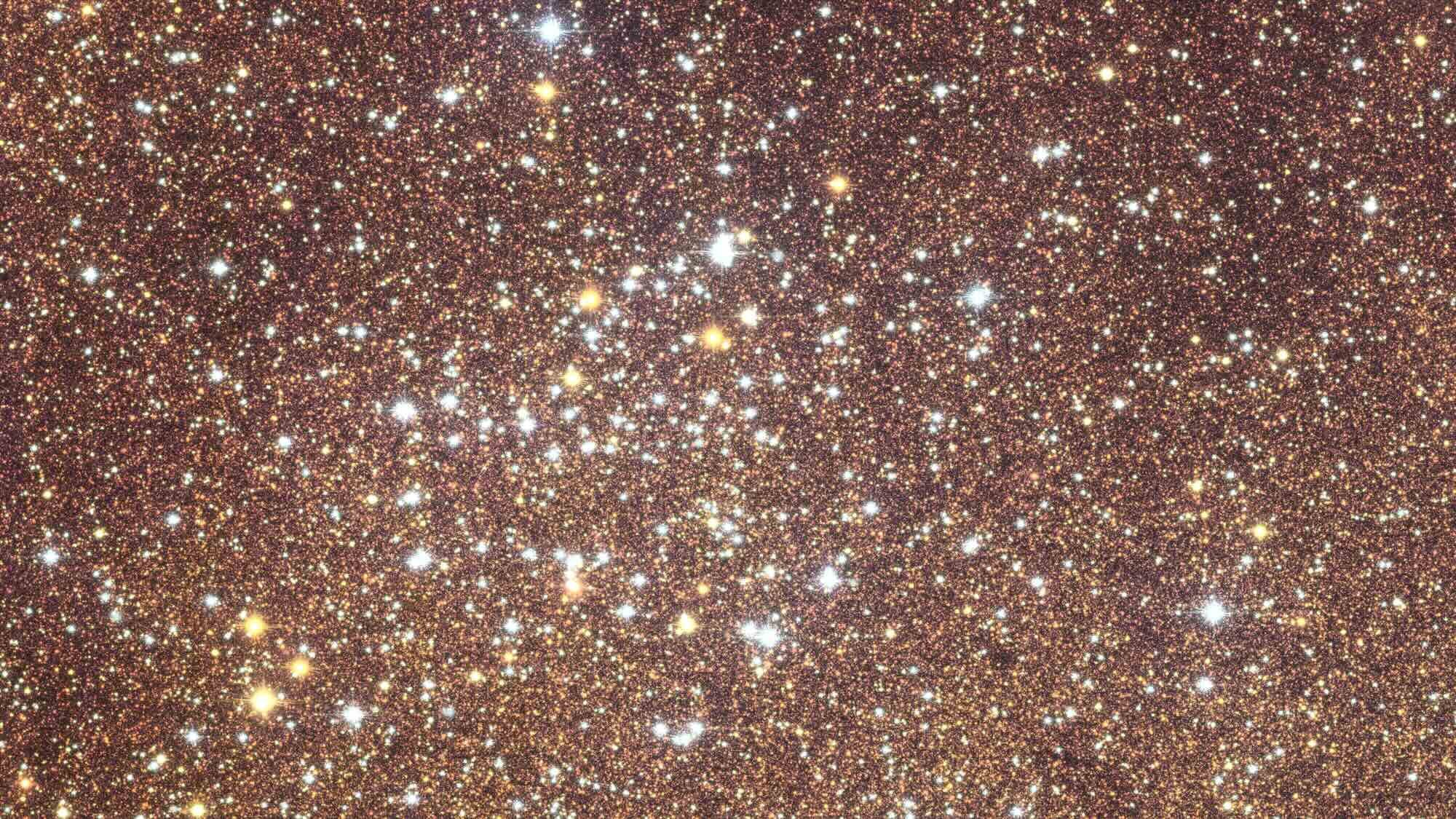
3 – CLUSTER OF YOUNG STARS

This is the open cluster NGC 6451, located 8700 light-years from us. It contains about fifty young stars.

© ESA/Euclid/Euclid Consortium/NASA, CFHT, image processing by J.-C. Cuillandre and E. Bertin (CEA Paris-Saclay)

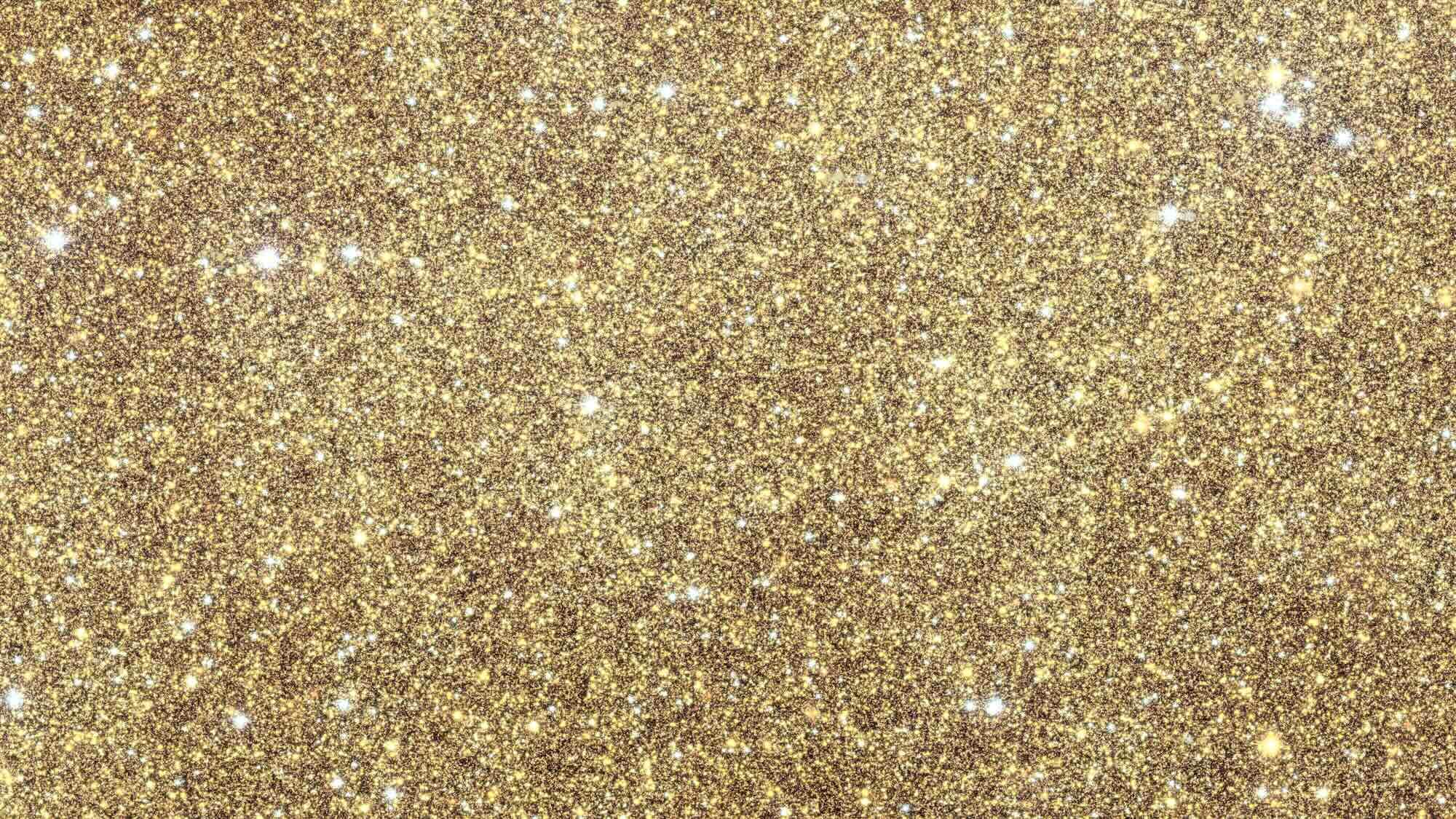
4 – GALACTIC BULB

This detail shows a portion of the center of our galaxy (zoomed in 10 times compared to the large mosaic). The presence of many older, cooler stars explains the dominant yellow color.

© ESA/Euclid/Euclid Consortium/NASA, CFHT, image processing by J.-C. Cuillandre and E. Bertin (CEA Paris-Saclay)

Related articles