




• Mars

Successful launch for the MMX mission to the moons of Mars

Published on 20 October 2026

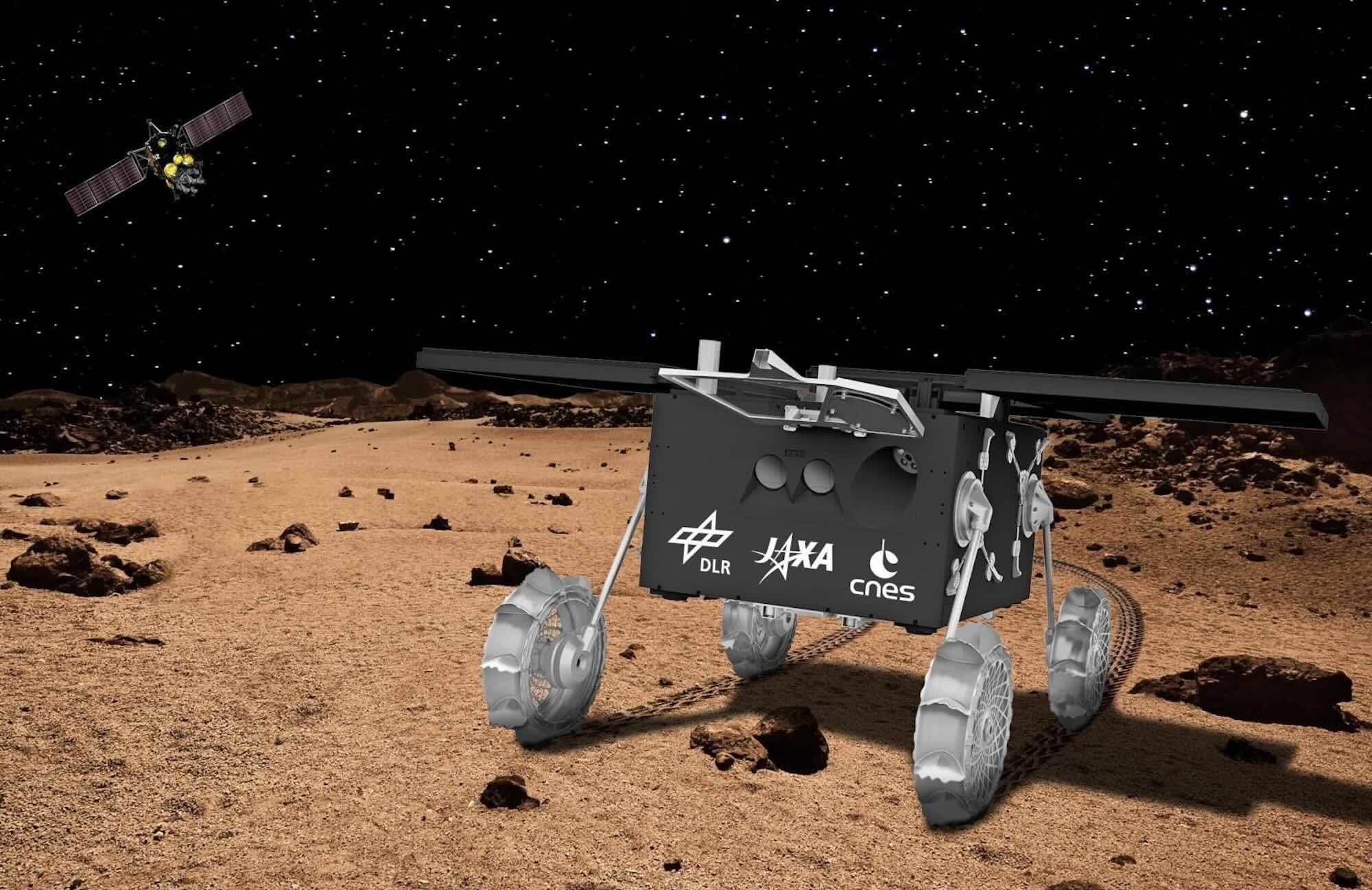
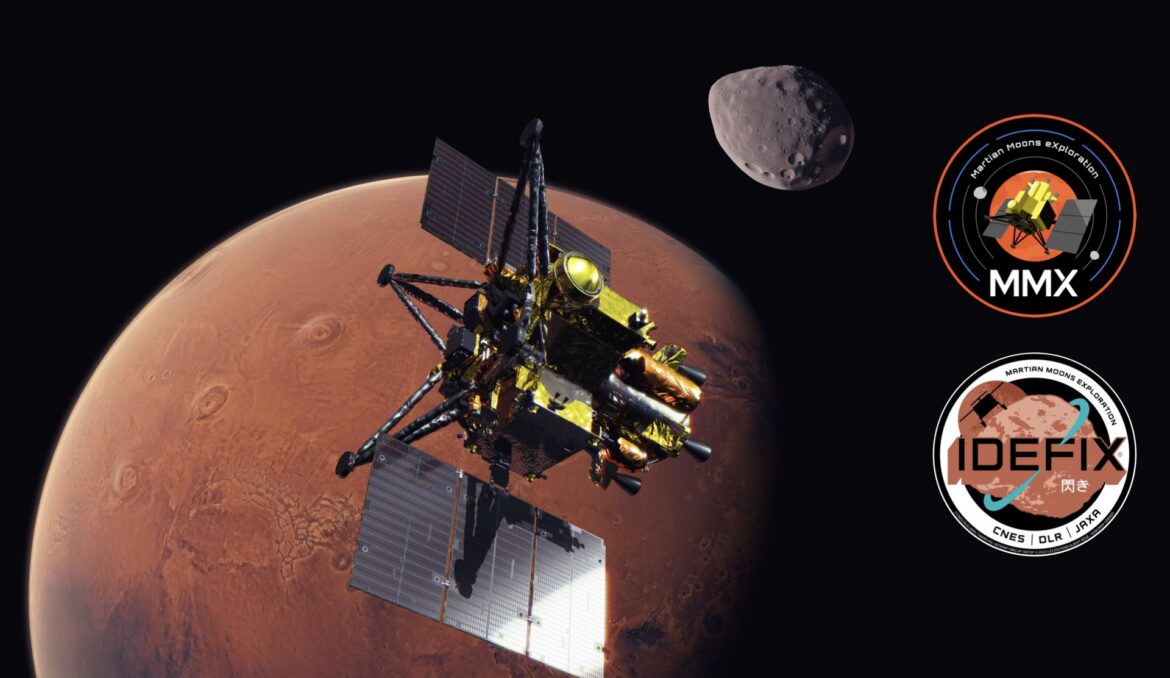
The Japanese probe MMX has begun its journey to Mars. It will study Phobos and Deimos before attempting to bring back to Earth the first samples from a Martian moon by 2031. The Franco-German rover, Idéfix, will drive on Phobos for the first time, to serve as a scout.

Successful launch for the MMX mission to the moons of Mars

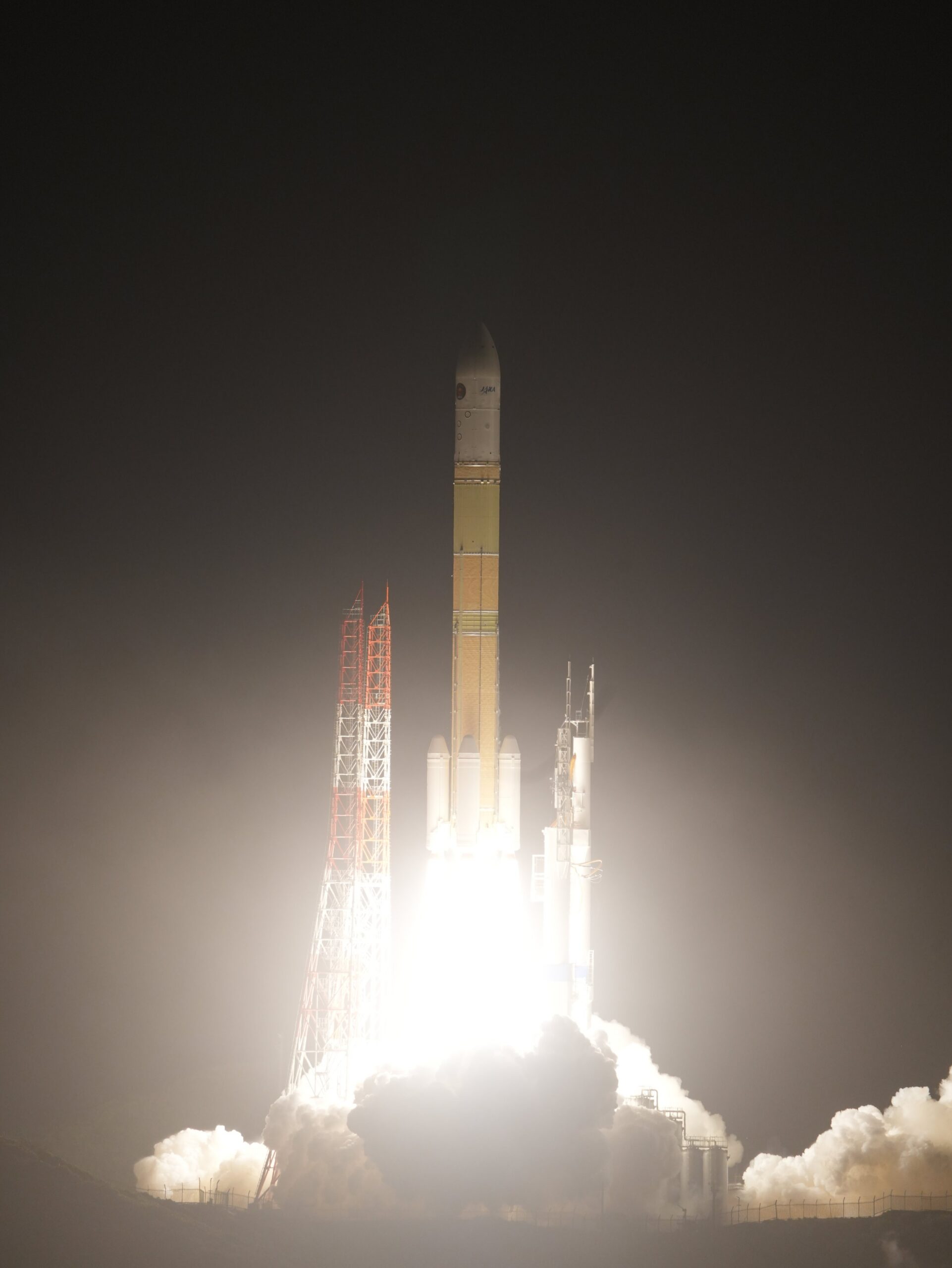
On its way to Mars and its moons. On October 20, 2026, the Japan Aerospace Exploration Agency (JAXA) launched the MMX probe from the Tanegashima Space Center. Injected into its trajectory toward Mars by an H3 rocket , this 4.5-ton spacecraft successfully separated 71 minutes after liftoff. The mission is to study Phobos and Deimos , the two Martian moons, before collecting samples from Phobos for return to Earth in 2031. Placement into Martian orbit is scheduled for August 2027.

At 9:41 p.m. French time, the H3 launcher took off from Tanegashima Island, Japan, heading towards the moons of Mars.

© JAXA

A SUCCESSFUL LAUNCH FROM TANEGASHIMA

AN ORBITAL LAUNCH BY THE H3 ROCKET

The launch took place at 9:41 p.m. from the Tanegashima Space Center. For this flight, the H3 rocket was used in a novel configuration with four boosters and a long fairing . The boosters separated after two minutes of flight, followed by the jettisoning of the fairing a little over a minute later. After the first stage shut down approximately five minutes into the mission, the second stage took over with an initial ignition, followed by a second ignition a little over an hour after liftoff to provide the transfer impulse to Mars. The MMX probe separated from the upper stage approximately 71 minutes after liftoff , reaching a maximum speed of nearly 38,858 km/h. ” The launch vehicle flew as planned, and we have confirmed that MMX was successfully separated and injected into its orbit ,” JAXA stated in its press release.

THE NEXT STEPS OF THE MISSION

A FIVE-YEAR JOURNEY UNTIL THE SAMPLES ARE RETURNED

The probe will embark on an interplanetary journey of approximately ten months, culminating in Martian orbit in August 2027. It will first enter a near-satellite orbit around Phobos to conduct observations of its surface and environment. In late 2028 or early 2029, the small Franco-German rover IDEFIX, jointly developed by CNES and DLR, will be deployed onto Phobos to analyze the soil and mitigate risks before the main probe’s landing. MMX will then perform two landings to collect at least 10 grams of rock material from Phobos’s surface. After a series of flybys of the second moon, Deimos, the probe will leave Mars orbit in November 2030, returning its sample capsule to the Australian desert in July 2031.

The Franco-German rover, Idéfix, is expected to arrive on Phobos in late 2028 or early 2029. It will serve as a scout for MMX to select a site for collecting samples from Mars’ largest moon.

© CNES / DLR / JAXA

Relive the launch of the MMX probe in this live broadcast from CNES, live from the Cité de l’espace.

© CNES

Related articles