• Mars
  • Moon

The Moon before Mars: SpaceX, too, is reorganizing its space priorities

Published on 18 February 2026

Elon Musk is abandoning Mars and now favors the Moon to establish a permanent human presence within ten years. This is a strategic choice, especially since his competitor Blue Origin could well develop and test its lunar lander before SpaceX.

The Moon before Mars: SpaceX, too, is reorganizing its space priorities

Long focused on conquering Mars , Elon Musk surprised everyone with a post on SpaceX. On February 8, 2026, he announced that SpaceX would now prioritize establishing a permanent human presence on the Moon . This change of course, driven by logistical and security imperatives, aims to build a self-sufficient lunar city in less than ten years. While Mars remains the ultimate goal, the Moon would become the immediate testing ground for SpaceX’s ambitions.

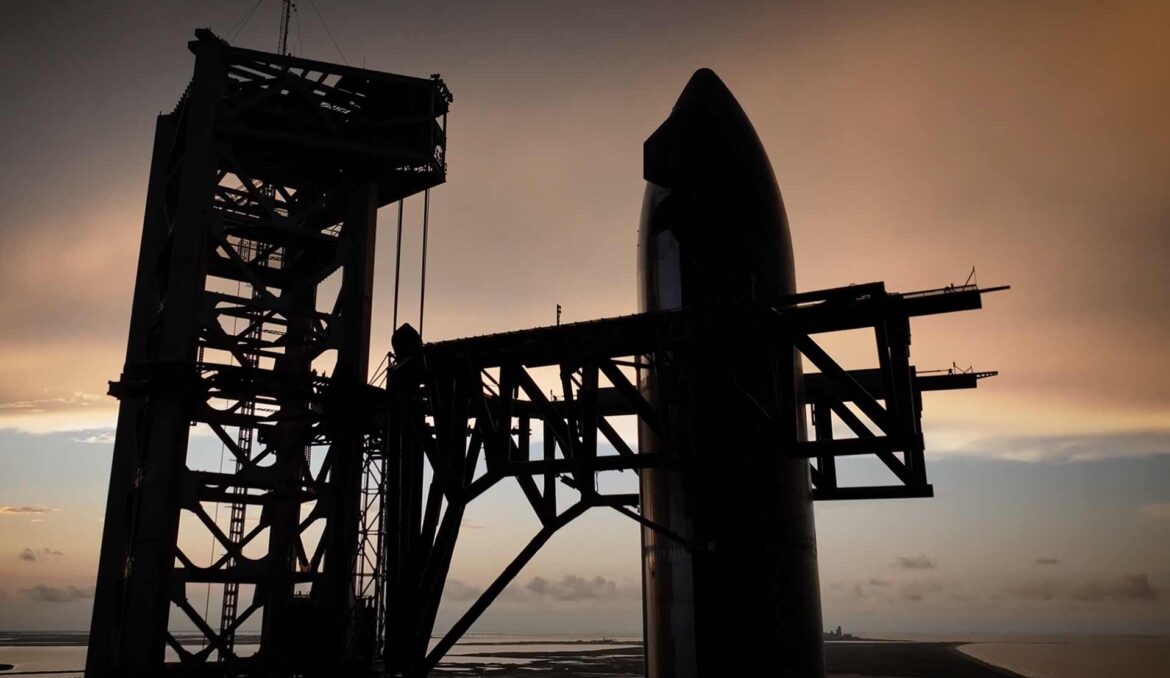
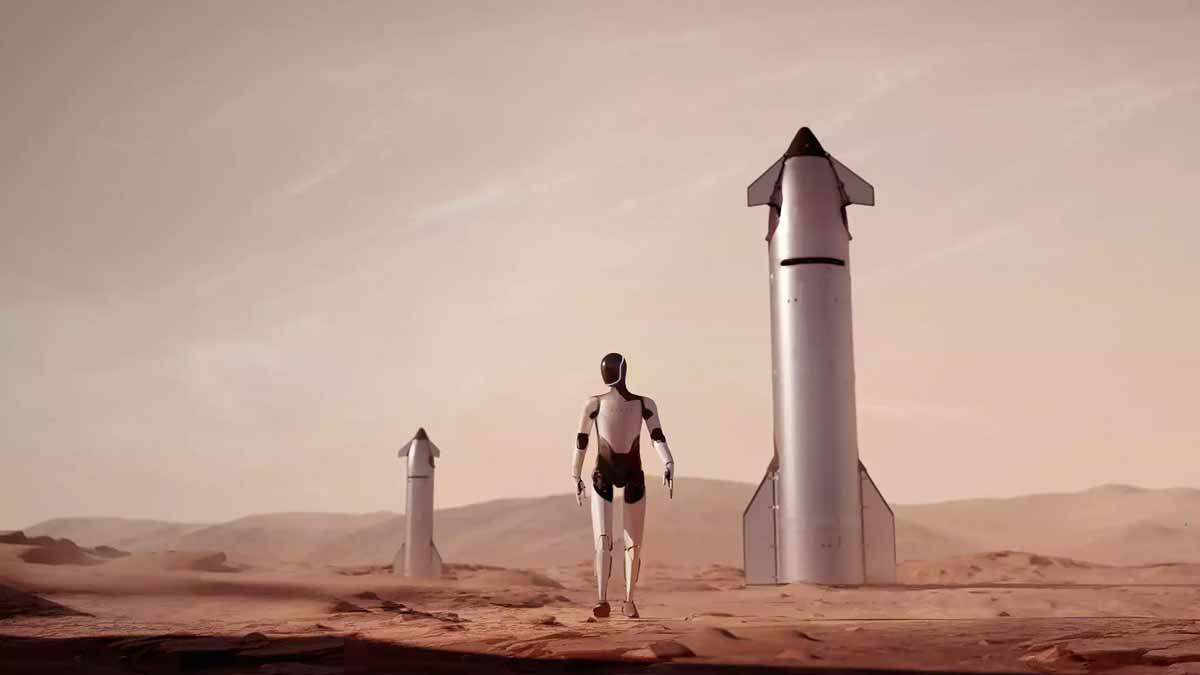
SpaceX had communicated extensively about the fact that its Starship launcher would allow humans to become a multi-planetary species.

© SpaceX

Logistics simplified by geographical proximity

The pace of launches as a development factor

The choice of the Moon is primarily explained by unavoidable orbital constraints. Travel to Mars can only occur every two years , whereas the Moon is far more accessible. ” It’s only possible to travel to Mars when the planets align every 26 months, while we can launch to the Moon every 10 days, ” posted SpaceX founder Elon Musk on his social network, X. ” This means we can make much faster progress toward completing a lunar city than a Martian one .”

The exploitation of local resources

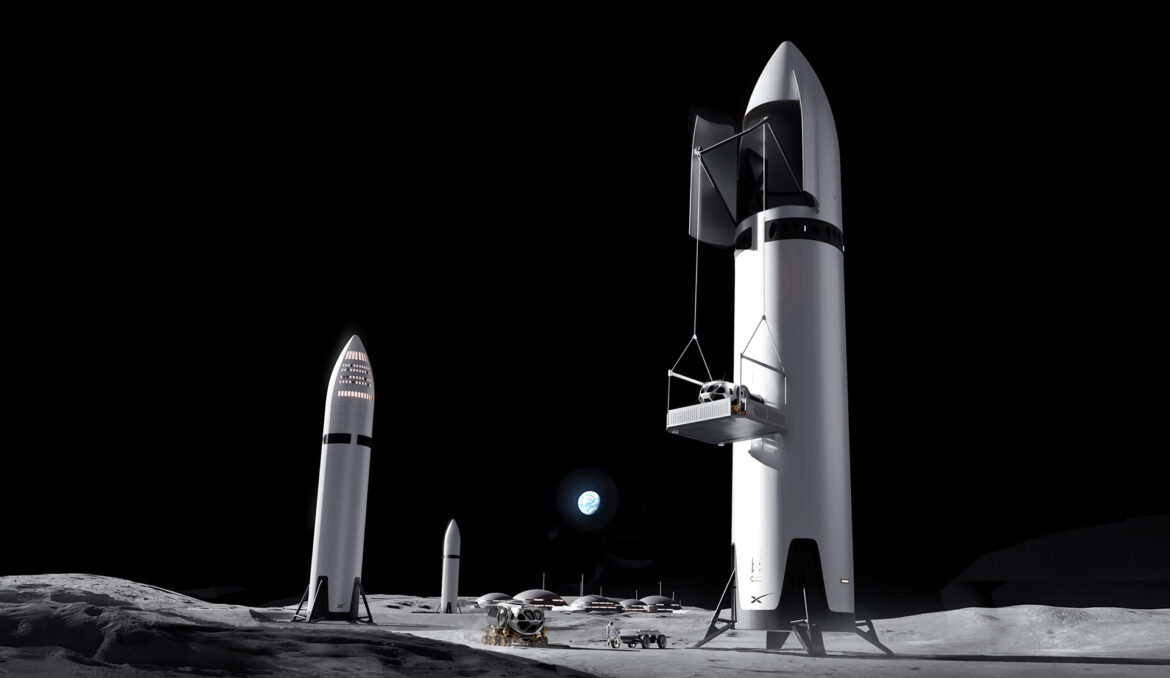
This proximity also facilitates the delivery of materials needed for infrastructure construction. SpaceX plans to use Starship to transport massive amounts of cargo, transforming the Moon into an industrial hub . ” Thanks to advancements such as in-space propellant transfer, Starship will be able to deliver massive amounts of cargo to the Moon, ” adds Elon Musk. Once this logistics infrastructure is in place, the company plans to establish factories there capable of using lunar resources to manufacture satellites and other components, thus increasing the base’s self-sufficiency.

The argument of safeguarding the human species

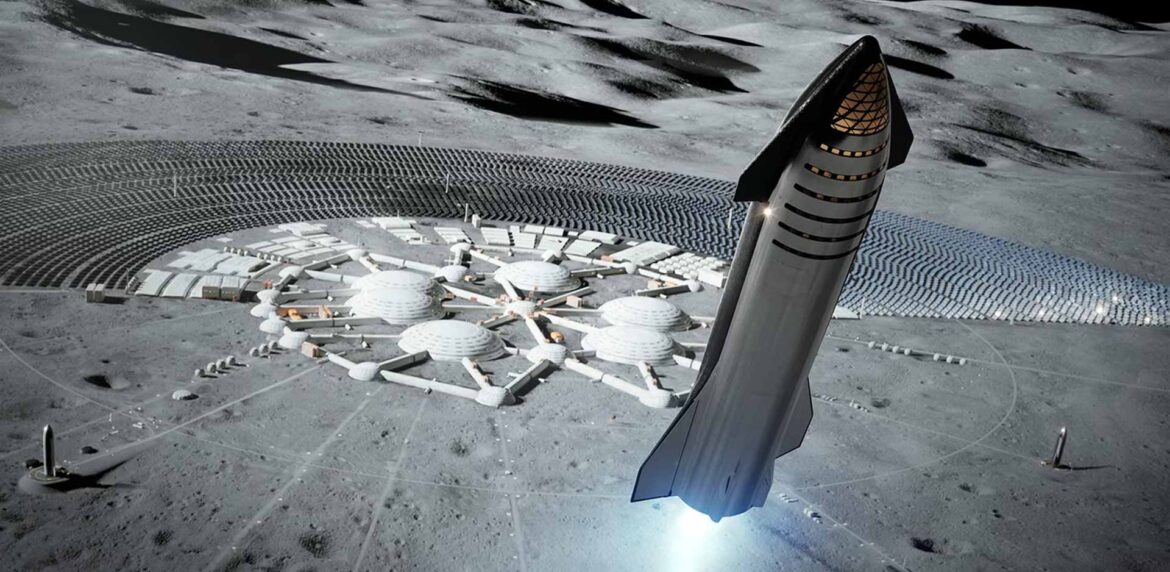
Elon Musk wants to establish a self-sustaining colony.

Beyond the technical aspects, Elon Musk argues that this decision is driven by a desire to safeguard civilization against potential disasters on Earth . He believes that establishing a self-sustaining base would be faster on the Moon, as the time required to rescue or resupply the colony is significantly reduced. ” This shift in priorities stems from my concern that a natural or man-made catastrophe could halt supply ships from Earth, leading to the colony’s extinction. We can make the lunar city self-sufficient in less than 10 years, but for Mars, it will take more than 20 years due to the 26-month cycle. That’s what matters most, ” he explained.

A laboratory for Martian technologies

Although Mars is currently on the back burner , it hasn’t been abandoned. SpaceX sees the Moon as a necessary step to test life support systems and in-orbit refueling methods— essential steps before sending crews to more distant destinations. The strategy now is to conduct both projects in parallel , but with a focus on the closer celestial body. ” Mars will start in five or six years, so it will run in parallel with the Moon, but the Moon will be the initial priority, ” he says.

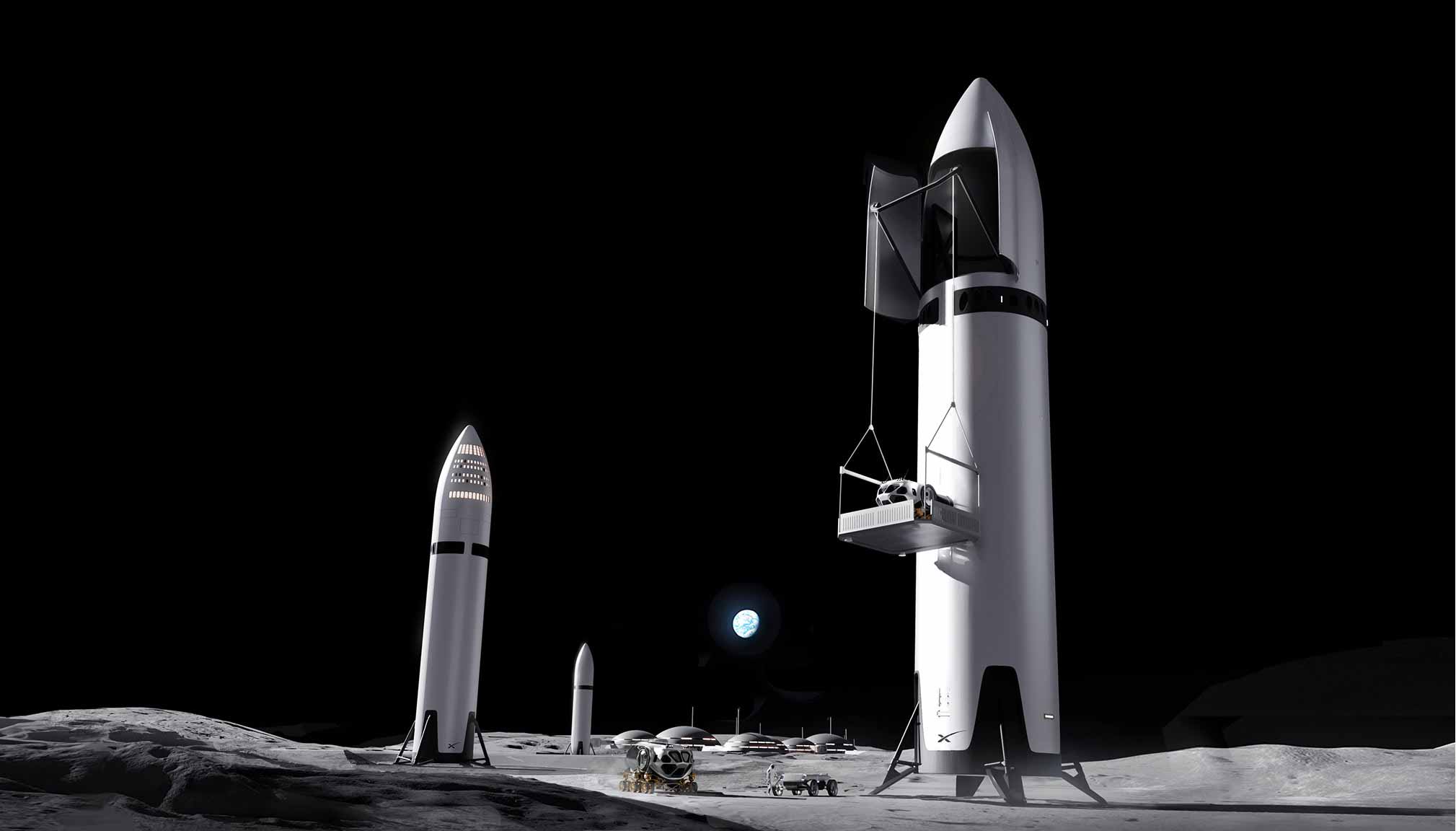
SpaceX’s Starship was chosen by NASA to ensure the return of astronauts to the Moon during the Artemis III and IV missions.

© SpaceX

Just after Elon Musk’s announcement, Jeff Bezos posted this image of a tortoise on the social network X in reference to the fable of the Hare and the Tortoise by Jean de La Fontaine.

© Jeff Bezos’s X account

Who will build the Artemis III lander?

The pressure from Blue Origin’s competition

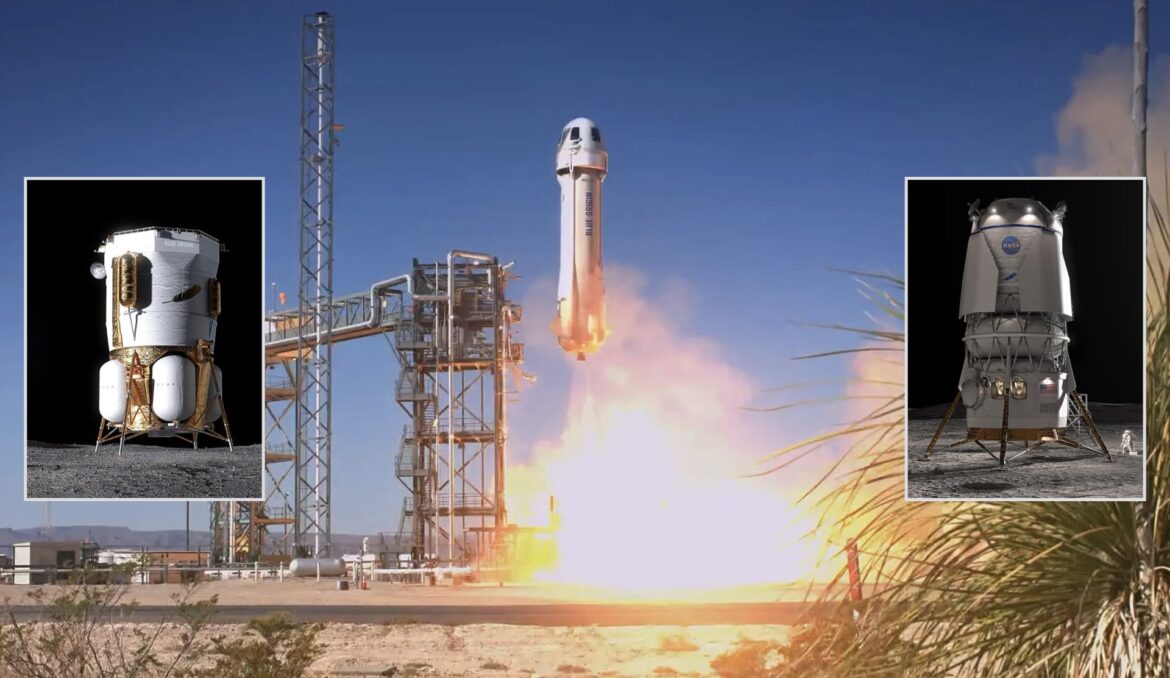
This change of direction comes as Blue Origin has also decided to focus on its lunar activities . Its founder, Jeff Bezos, recently redirected his teams to concentrate on lunar exploration . This decision represents a direct threat to SpaceX. Indeed, the future lander for the Artemis III mission, and even Artemis IV , is to be a modified version of Starship . However, SpaceX’s giant spacecraft has never yet been placed in Earth orbit. Worse still, it will have to be refueled in orbit before beginning its journey to the Moon. The commercial contract with NASA also includes an uncrewed lunar landing. These steps must be completed in the coming months, and NASA is growing impatient. For its part, the two flights of Blue Origin’s New Glenn have been successful, and a flight to the Moon by a Blue Moon cargo spacecraft is planned for this spring . A successful landing would put them back in the running, having only been selected to carry out the Artemis V and VI missions . In October, faced with mounting delays, Sean Duffy , the interim administrator of the American space agency, proposed a complete overhaul. He was considering reopening the Artemis III lander contract to competition . This statement provoked the anger of Elon Musk. More diplomatic, the new NASA administrator and SpaceX private astronaut, Jared Isaacman , indicated in December that the agency would proceed with the first lander that was ready . As a sign of provocation, Jeff Bezos posted a black and white image of a tortoise on X, without any comment. An obvious reference to the animal that, in La Fontaine’s fable, started at the right time and, against all odds, won its race against the hare.

Related articles